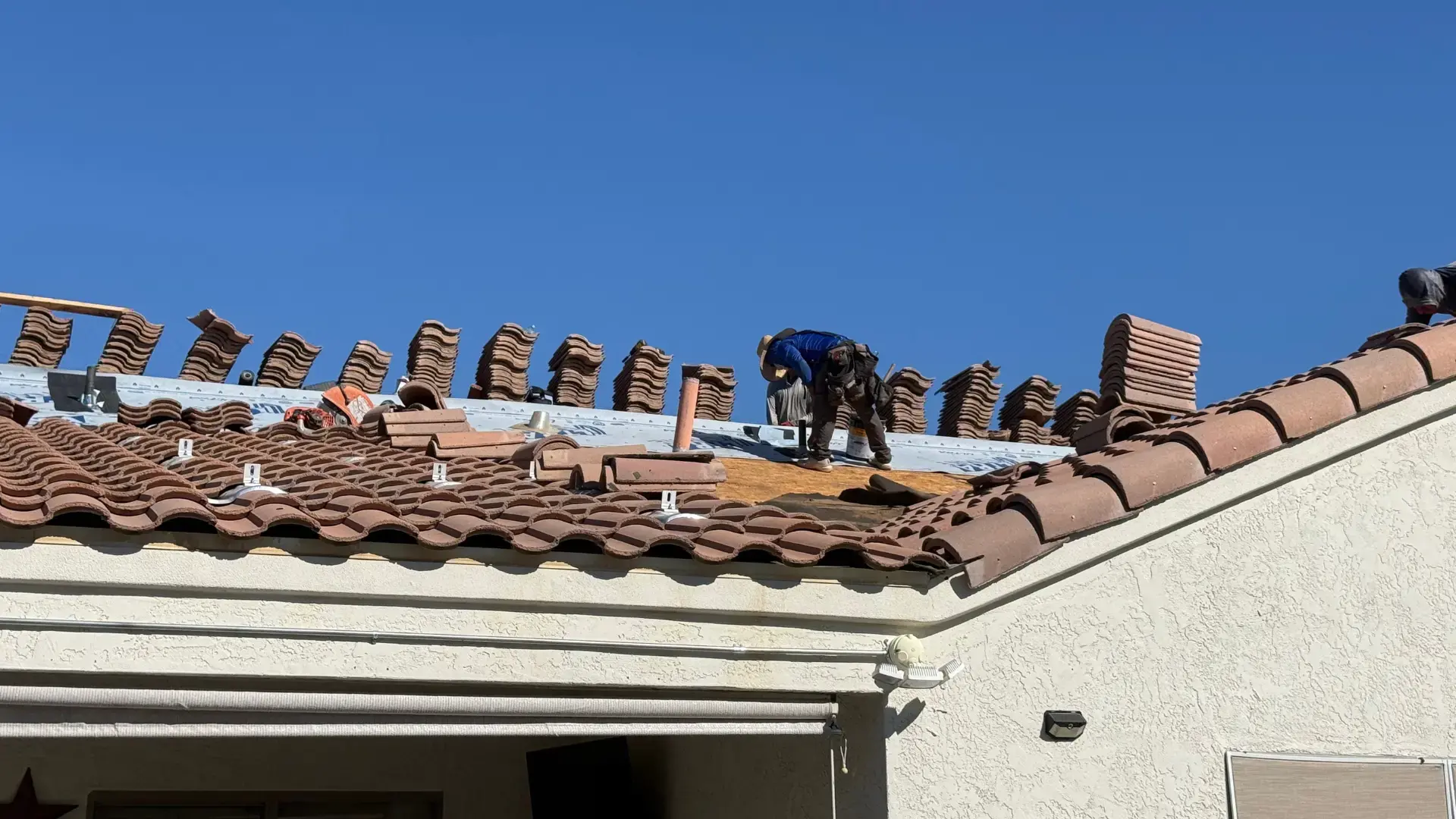
How Phoenix’s Record Heat Wave Is Damaging Your Roof
How Phoenix’s Record Heat Wave Is Damaging Your Roof When Phoenix residents…

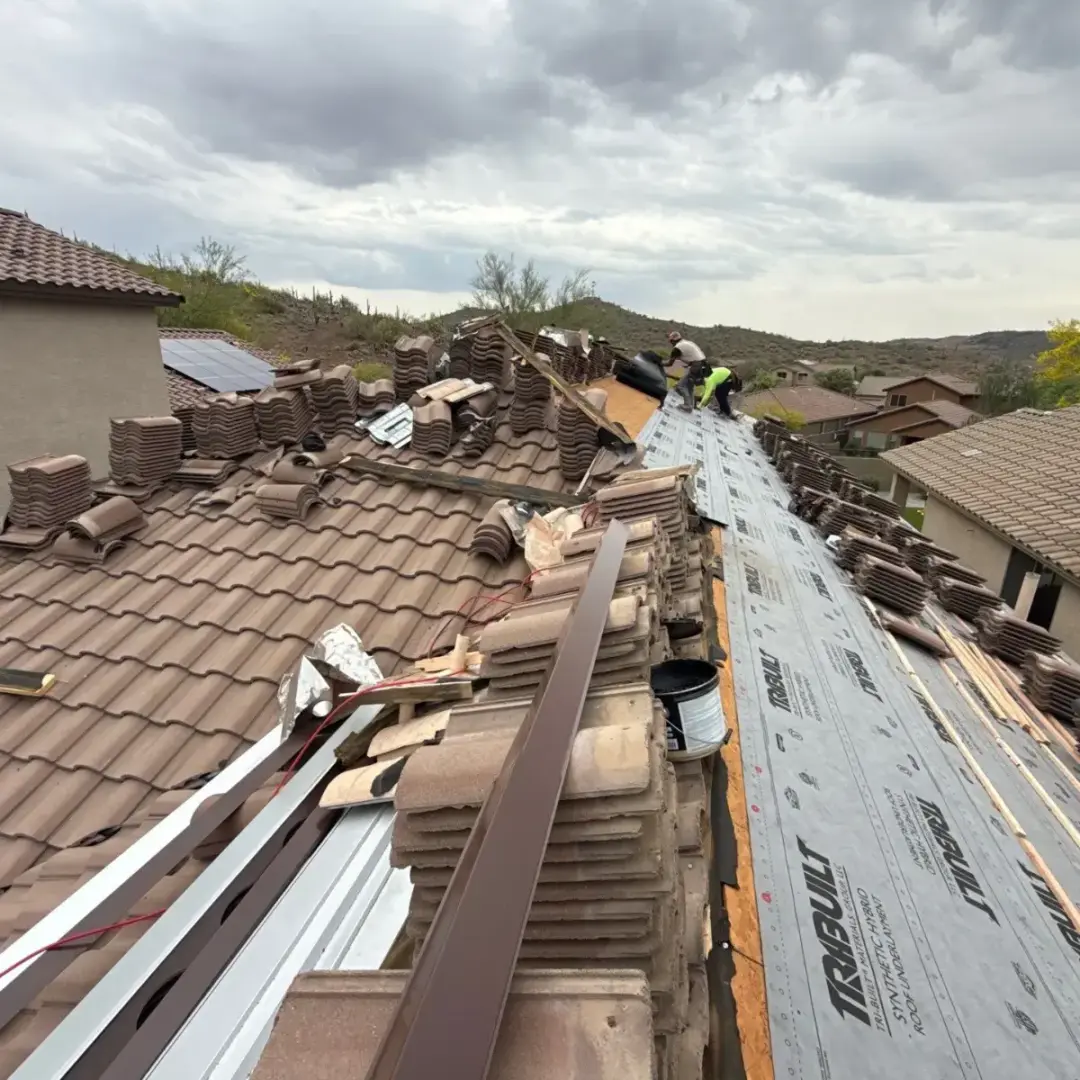
When considering roofing materials for desert homes, few options match the timeless style and structural beauty of clay and concrete tiles. However, prospective buyers and existing homeowners alike frequently wonder: how long do tile roofs last in Arizona?
In Arizona’s Sonoran Desert, tile roofs are among the most durable options available. Under ideal conditions, high-quality clay or concrete tiles can easily last 50 to 100 years, and often for the entire lifespan of the building. However, while the tiles themselves are nearly indestructible, the unique climate of the Phoenix Valley creates specific challenges that directly affect your roof’s overall longevity.
To fully evaluate how long tile roofs last in Arizona, it is essential to consider how desert elements interact with roofing materials day after day.
The Arizona sun delivers over 300 days of intense sunlight each year, pushing summertime surface temperatures on roofs well above 150°F. Concrete and clay tiles excel in this environment because they possess natural thermal resistance. Air channels under installed tiles create a natural thermal barrier that helps isolate heat before it reaches your living space. In fact, tile roofs can improve home energy efficiency and help lower cooling bills by up to 20%.
However, constant exposure to extreme heat causes subtle expansion during the day and contraction at night. Over several decades, this thermal movement can slowly weaken flashing seals and age structural underlayment beneath the tiles.
Arizona’s summer monsoon season brings violent microbursts, dust storms (haboobs), heavy downpours, and localized hail. While heavy tiles are rated to withstand severe winds, flying debris or severe hail can chip, crack, or dislodge individual tiles. When tiles shift or break, rain can penetrate directly to the underlayment, potentially causing hidden leaks if not addressed quickly. Homeowners facing post-storm issues often rely on professional storm damage restoration services to secure the home before interior water damage develops.
Both clay and concrete are exceptional choices for Arizona residential and commercial properties, but they offer slightly different performance profiles.
Fired in kilns at extreme temperatures, natural clay tiles resist sun fading because their color is baked into the material itself. Clay tiles absorb virtually no water, making them impervious to moisture degradation. With proper care, clay tile systems can last 75 to 100+ years. According to testing guidelines from the Tile Roofing Industry Alliance, proper installation and attachment allow concrete and clay tiles to withstand winds up to 200 mph.
Made from a dense mixture of sand, cement, and water, concrete tiles are slightly heavier and extremely durable. While their surface color may soften slightly over decades under direct UV rays, concrete tiles typically last 30 to 50+ years. They offer a versatile, cost-effective alternative for homeowners looking for long-term protection on a budget.
The primary distinction every Arizona homeowner must understand is the difference between the tiles and the underlayment.
While the tiles themselves can last over half a century, traditional organic or felt underlayments exposed to desert heat typically degrade after 20 to 30 years. When underlayment deteriorates, water can migrate into your home even if the tiles above look intact. Proactive homeowners schedule periodic inspections and expert tile roof repairs to catch cracked underlayment, replace worn flashing, or lift and re-lay sections of tile before widespread damage occurs.
Inspecting your roof annually, and immediately following severe wind or hail storms, ensures minor issues do not turn into major structural repairs. Certified inspectors check for slipped tiles, debris buildup in valleys, and deteriorated sealants around roof penetrations.
Replacing a single broken tile or restoring small sections of underlayment is quick and affordable. Promptly matching and resecuring loose tiles prevents wind uplift from affecting neighboring tiles during the next big storm.
When an aging roof reaches the end of its underlayment lifespan, a complete underlayment replacement (often called a tile lift-and-lay) or a full Scottsdale tile roof replacement will restore total weatherproofing while preserving your existing architectural style.
When asking how long do tile roofs last in Arizona, the answer relies heavily on the quality of initial installation and ongoing care. While high-grade tiles easily endure for generations, keeping the underlying roof structure dry requires seasoned craftsmanship.
At Triumph Roofing, we specialize in comprehensive tile roof installations, underlayment replacements, and leak repairs throughout North Phoenix, Scottsdale, and the Valley. As a family-owned, licensed, bonded, and insured contractor (AZ ROC #334843), we back our work with a 5-year workmanship warranty on top of manufacturer coverage.
Complete the form below to schedule your free roof estimate!

How Phoenix’s Record Heat Wave Is Damaging Your Roof When Phoenix residents…
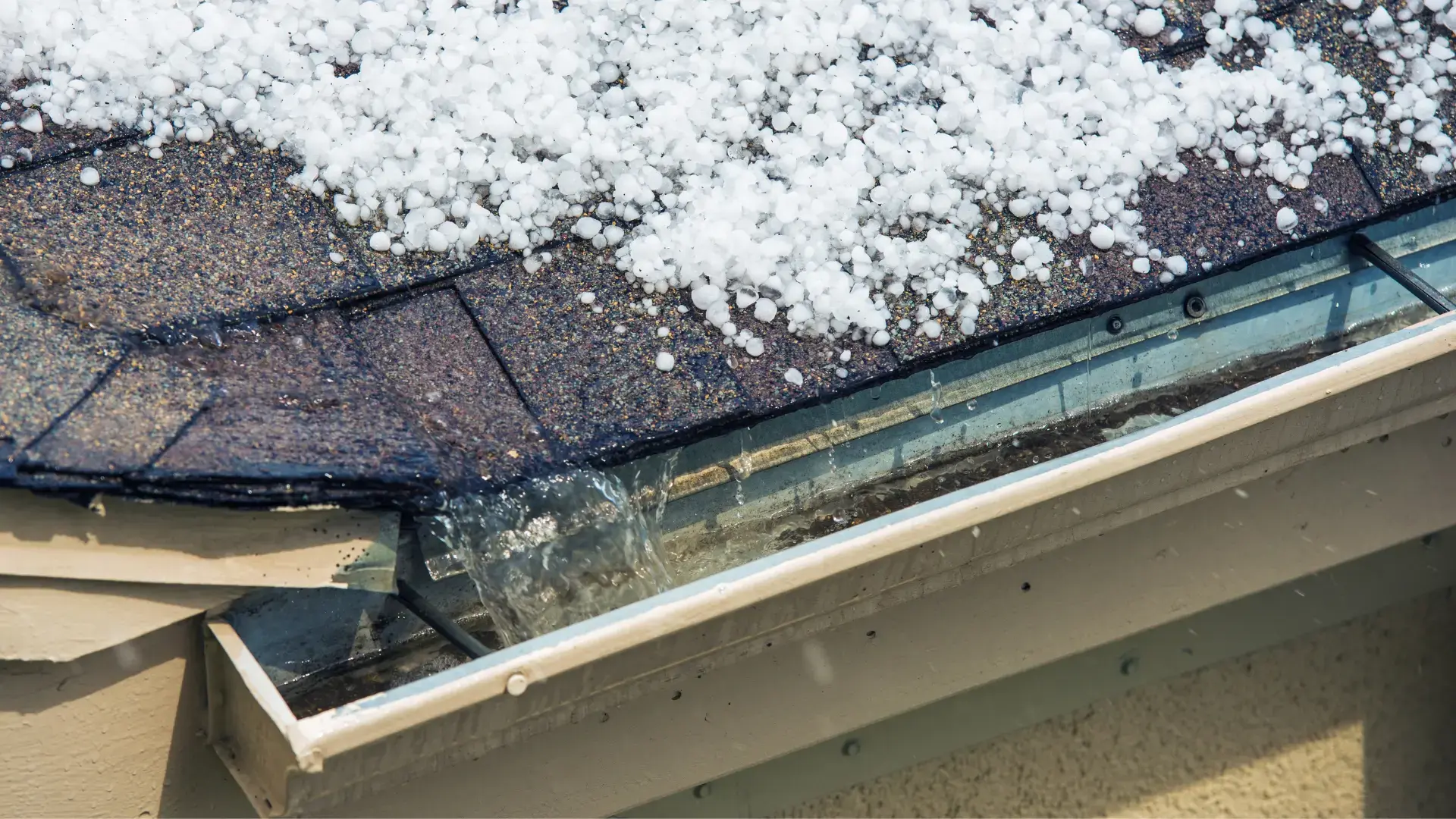
Does Your Roof Warranty Cover Monsoon Wind or Hail Damage? When dark…
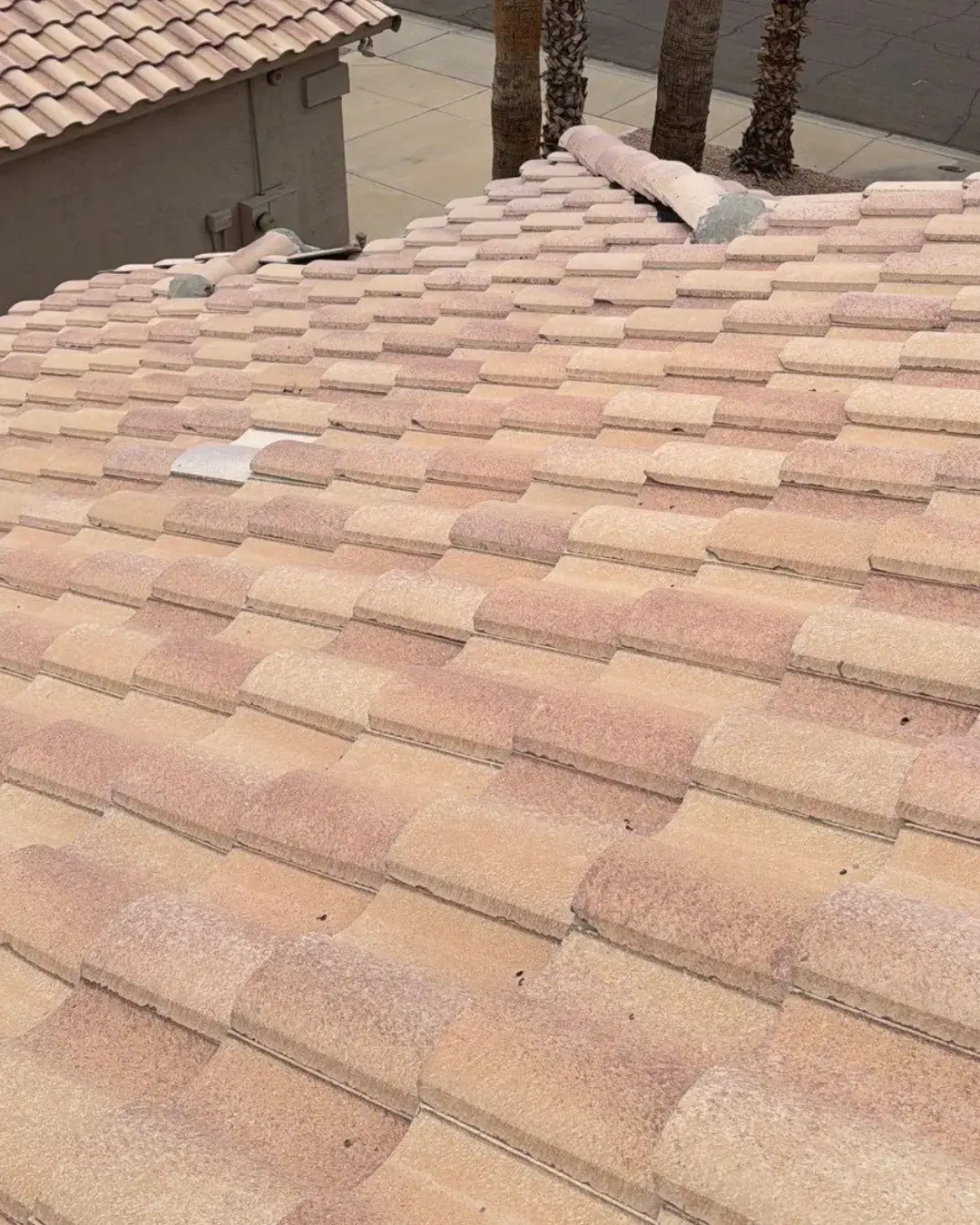
Why Our Community is Calling Triumph Roofing the Best Roofing Company in…