
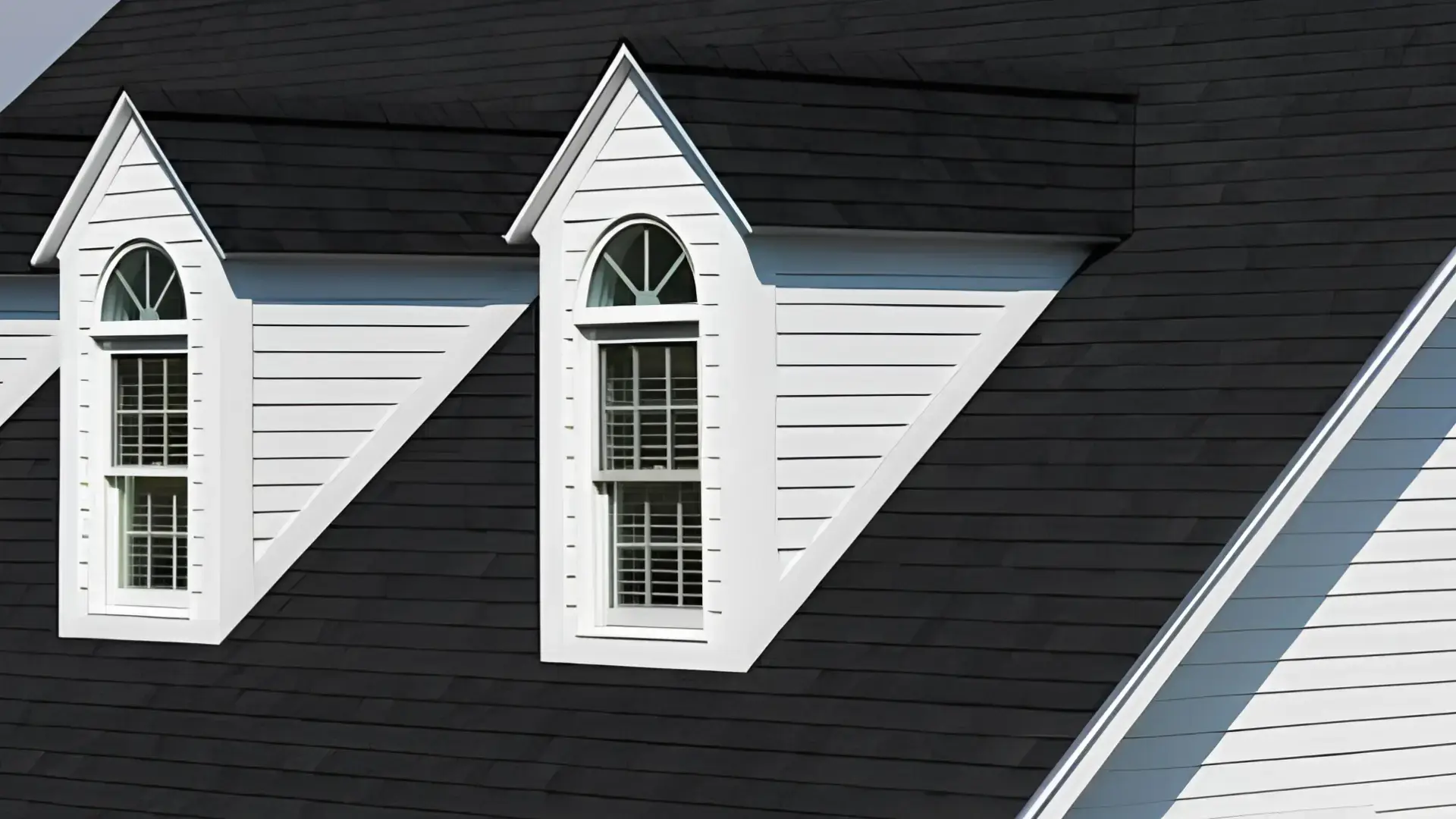
Why Your Arizona Home Benefits from the Blackest Shingles on the Market
Why Your Arizona Home Benefits from the Blackest Shingles on the Market
Architectural design trends across Arizona are evolving rapidly. Homeowners throughout Phoenix, Scottsdale, and the surrounding Valley are increasingly embracing high-contrast residential exteriors. Crisp white stucco, charcoal window frames, and deep dark roofing lines have taken center stage in modern desert architecture.
However, choosing dark roofing materials in a desert environment requires an understanding of how different products are manufactured. Not all dark shingles are built the same, and selecting the blackest shingle on the market involves evaluating material composition, granule engineering, and long-term durability against intense desert UV rays.
Comparing the Different Types of Black Shingles
When exploring dark asphalt roofing options,homeowners usually choose among three primary product categories. Each style offers a distinct appearance, price point, and performance level.
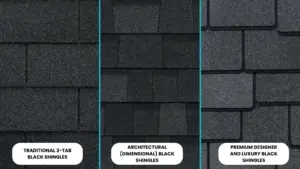
Traditional 3-Tab Black Shingles
3-tab shingles are the most basic asphalt option available. Manufactured with a single flat layer, they create a uniform, repeating brick-like pattern across the roof slope.
- Appearance: Flat and uniform with minimal color depth or dimensional shadowing.
- Performance: Lighter weight with lower wind resistance ratings (typically rated up to 60 mph).
- Best Used For: Budget-conscious projects, rental properties, or detached structure covers where low upfront cost is the primary driver.
Architectural (Dimensional) Black Shingles
Architectural shingles feature multiple laminated layers of asphalt and fiberglass. This construction creates a multi-dimensional look that mimics natural wood shake or slate tiles.
- Appearance: Rich shadow lines and textured depth that accentuate roof lines and gables.
- Performance: Thicker profile providing superior tear resistance and wind protection (often rated up to 110–130 mph).
- Best Used For: Primary residential homes seeking an ideal balance between high-end curb appeal, long-term durability, and overall value.
Premium Designer and Luxury Black Shingles
Designer shingles represent the top tier of asphalt roofing manufacturing. These heavyweight products incorporate custom shapes, dramatic shadow lines, and advanced granule technology to deliver an ultra-dark finish.
- Appearance: High-definition coloration that produces the absolute blackest shingle on the market, providing an opulent, slate-like aesthetic.
- Performance: Maximum impact resistance, enhanced thermal stability, and heavyweight multi-layer construction designed to withstand extreme weather.
- Best Used For: Custom homes and major exterior remodels where luxury design and maximum longevity are paramount.
What Makes the Darkest Shingles Unique?
Achieving a true jet-black appearance that holds up over time requires sophisticated engineering, especially under Arizona’s intense solar exposure. Standard charcoal shingles often blend gray, black, and white granules, resulting in a lighter overall appearance once installed on a large roof area.
In contrast, the blackest shingle on the market utilizes specialized manufacturing techniques:
- High-Density Pigmented Granules: Manufacturers use deep black ceramic-coated mineral granules that resist fading caused by relentless UV radiation.
- Cool Roof Granule Technology: Modern dark shingles incorporate advanced reflective granules engineered to reflect invisible infrared solar light, helping diminish excessive heat absorption despite the dark color.
- High-Contrast Shadow Bands: Strategic placement of ultra-dark asphalt shadow strips creates deep visual contrast, making the roof appear darker and more dimensional from the street.
To learn more about how reflective granules and rated materials impact solar reflectance and building efficiency, you can review consumer resources provided by the Cool Roof Rating Council.
Key Benefits for Arizona Homeowners
Installing a premium dark roof system offers several practical and aesthetic advantages for Valley properties:
- Instant Architectural Elevation: Dark roofing anchors your home’s exterior design, instantly modernizing mature properties and pairing seamlessly with popular contemporary white stucco finishes.
- Enhanced UV and Weather Protection: Premium architectural and designer black shingles feature heavy-duty fiberglass matting and thick asphalt coatings, providing excellent protection against monsoon rains and wind-driven debris.
- Increased Property Value: High-definition dark shingles create a distinct luxury aesthetic that can improve curbside appeal and resale value.
Choosing and Partnering with Triumph Roofing
Selecting the right material is only half the equation; proper installation ensures your new roof performs for decades. At Triumph Roofing, we bring years of local experience, transparent communication, and exceptional craftsmanship to every project across the Valley.
As a licensed, bonded, and insured contractor, we partner with industry-leading manufacturers including Owens Corning and GAF to bring you top-tier products. When you work with our team, you receive:
- Tailored Material Selection: We help you evaluate different shingle profiles and shades to find the ideal match for your home’s architecture.
- Complete System Engineering: We inspect your entire roofing assembly, including underlayment, drip edges, and attic ventilation, to ensure your new dark roof stays cool and performs reliably.
- 5-Year Workmanship Warranty: In addition to robust manufacturer warranties, we back our installations with our own 5-year workmanship guarantee.
To explore our full range of residential options, visit our page on roofing products or learn about our full-service roof replacement services for your property.
Transform Your Home’s Exterior Today
Ready to upgrade your home’s curb appeal with the darkest, most durable shingles available? Let our team of local experts guide you through the selection process and provide an accurate, hassle-free evaluation.
Contact Triumph Roofing today or fill out the form below to schedule your free roof inspection.
"*" indicates required fields
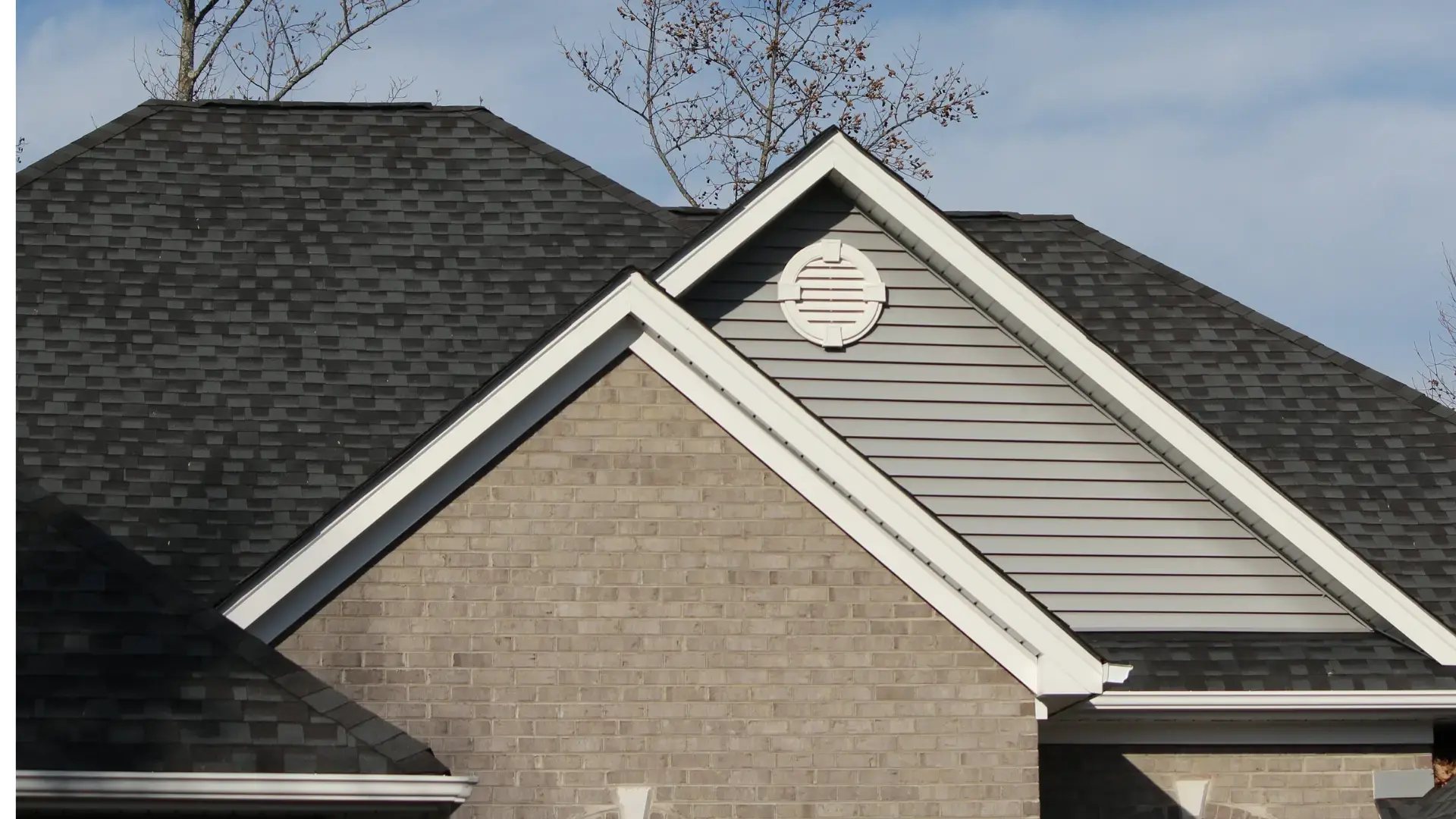
Everything You Need to Know About Black Shingles in Arizona
Everything You Need to Know About Black Shingles in Arizona
In recent years, modern architectural aesthetics have completely transformed residential neighborhoods across the Valley. Homeowners are increasingly ditching traditional Mediterranean tan tiles in favor of striking, high-contrast designs. If you have driven through Phoenix or Scottsdale lately, you have likely noticed the growing trend of sleek black accents paired with bright, stark-white exteriors.
However, incorporating dark roofing materials into the desert comes with a unique set of considerations. Before jumping on the architectural trend and installing black shingles in Arizona, it is crucial to understand how dark colors interact with desert heat, curb appeal, and thermal engineering.
Elevating Desert Curb Appeal: The White House & Black Accent Trend
The popularity of the “modern farmhouse” and contemporary desert minimalist styles has made dark roofs more desirable than ever. Pairing bold dark materials against crisp light masonry creates an undeniable visual impact that instantly elevates property value.
Dramatic Visual Contrast
Dark roofs ground a building’s overall appearance. When paired with white stucco, light-colored brick, or off-white paint, dark materials create sharp lines that define architectural geometry.
- Enhanced Exterior Features: Dark tones accentuate gables, rooflines, and porch overhangs, making structural details pop against the desert skyline.
- Modern Aesthetic Upgrade: Replacing aged, faded brown shingles with deep dark tones gives mature suburban homes an immediate luxury makeover.
- Versatility: Dark tones blend seamlessly with contrasting modern exterior finishes like dark window frames, natural wood cladding, and black metal fascia.
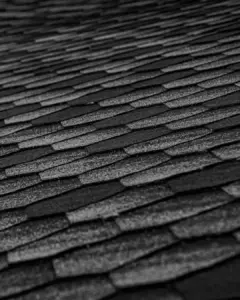
Designing for Arizona Architecture
While classic light-colored clay tiles were long considered the standard for desert homes, high-end dark asphalt shingles provide a tailored, sophisticated alternative. Leading manufacturers like Owens Corning and GAF, which we proudly install at Triumph Roofing, offer high-definition dimensional shingles in rich, deep shades like Charcoal, Onyx Black, and Charcoal Black. These products deliver the dramatic depth of slate or natural shake while providing superior wind and impact resistance.
The Thermal Challenge: Do Black Shingles Make Your House Hotter?
The primary concern most homeowners express when evaluating black shingles in Arizona is heat absorption. It is a simple law of physics: dark colors absorb radiant heat from sunlight, whereas lighter colors reflect it.
Radiative Heat and Surface Temperatures
During peak Phoenix summer months, a traditional dark roof surface can reach internal temperatures upwards of 150°F to 160°F. While this heat builds up on the exterior shingle layer, modern cool-roofing technology and reflective granule engineering help diminish solar heat gain significantly compared to older asphalt products.
However, the real secret to keeping your home cool under a dark roof is not just the color of the shingle, it is the engineering happening beneath the surface.
To explore additional details on reflective roof coatings and energy-efficient standards, read the energy efficiency guides provided by the U.S. Department of Energy, which outline how radiative roofing materials impact residential cooling loads.
The Unsung Hero: Why Attic Ventilation is Crucial in Arizona
If you choose to install black shingles in Arizona, superior attic ventilation transitions from a recommended feature to an absolute necessity.
Without adequate air exchange, radiant heat absorbed by dark shingles transfers directly into your attic space. An unventilated attic can turn into a massive heat trap, pushing ambient temperatures past 160°F. This intense heat slowly penetrates ceiling insulation, forcing your air conditioning unit to run continuously and driving up monthly utility bills.
Key Components of an Effective Ventilation System
Proper ventilation functions by continually drawing cool air in through lower soffits and expelling hot, trapped air out through upper exhaust vents.
- Soffit & Intake Vents: Located under the eaves, intake vents draw fresh outdoor air into the lowest points of the attic space.
- Ridge & Exhaust Vents: Positioned along the peak of the roofline, exhaust vents allow rising hot air to escape naturally via convection or powered mechanical draw.
- Radiant Barriers: Installed beneath the roof decking, reflective radiant barriers stop up to 97% of radiant heat transfer into the attic interior.
When designed properly by a professional team like Triumph Roofing, a balanced intake-and-exhaust ventilation system neutralizes heat transfer. This ensures your home stays comfortable indoors regardless of whether your roof is light tan or jet black.
Partnering with Triumph Roofing for Your Arizona Home
Achieving the perfect balance between striking visual design and long-term thermal performance requires seasoned local expertise. As a family-owned, licensed, bonded, and insured contractor serving the North Phoenix Valley, Triumph Roofing delivers exceptional craftsmanship engineered specifically for Arizona’s harsh climate.
When you choose us for your next project, you benefit from:
- Premium Product Warranties: Access to top-tier dimensional asphalt shingles from Owens Corning and GAF, backed by robust manufacturer protections.
- A 5-Year Workmanship Guarantee: We stand firmly behind our installations, backing our craftsmanship with our own 5-year workmanship warranty.
- Complete System Engineering: We evaluate your entire roof ecosystem, including underlayment, flashing, decking, and attic ventilation, to ensure your new dark roof performs efficiently year-round.
If you are considering a full roof overhaul, check out our comprehensive roof replacement services to learn more about our complete installation process.
Upgrade Your Curb Appeal with Confidence Today
You don’t have to sacrifice style for energy efficiency when building or remodeling in the Valley. With proper reflective shingle selection, high-grade underlayment, and expert attic ventilation, you can confidently embrace the modern white-house-black-accent design trend.
Are you ready to explore color options or assess your home’s current attic ventilation system? Contact Triumph Roofing online or give our friendly team a call at (602) 935-8484 today to schedule your free, no-obligation roof inspection!
"*" indicates required fields
When is the Best Time for a Roof Replacement in Anthem, Arizona?
When is the Best Time for a Roof Replacement in Anthem, Arizona?
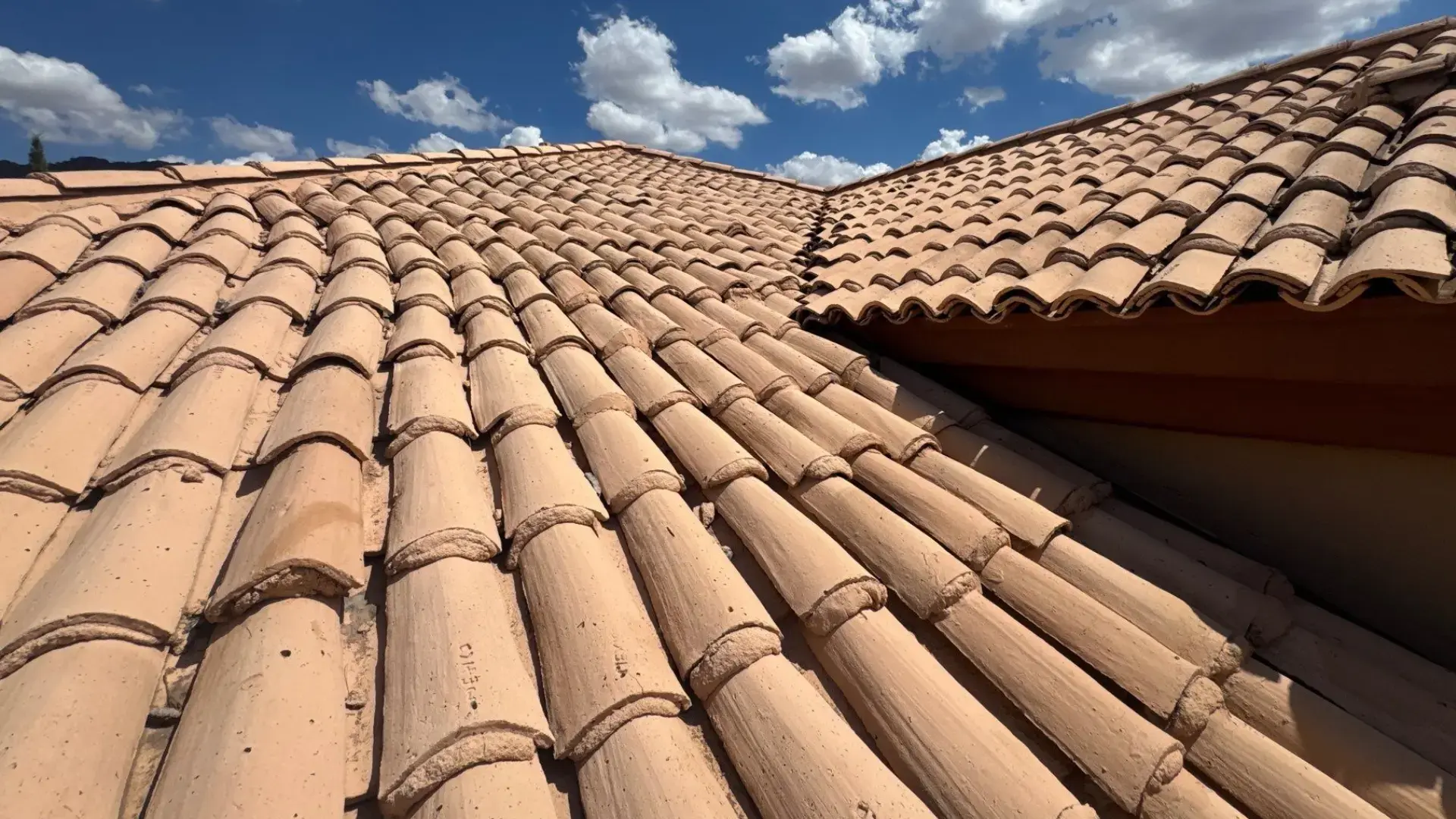
Living in the high desert of Anthem, Arizona, comes with undeniable perks: sweeping views of the Daisy Mountain landscape, vibrant desert sunsets, and year-round sunshine. However, that very same sunshine, paired with summer’s fierce monsoon season, takes a heavy toll on residential roofs.
Over time, relentless UV exposure bakes underlayment, cracks tile, and weakens asphalt shingles. When it comes time to upgrade your home’s primary line of defense, timing matters. If you have been delaying a roof replacement in Anthem Arizona, the fall season presents an ideal opportunity. Mild, predictable temperatures make autumn the absolute best time to replace your roof.
Why Fall Weather Benefits Your Roof Installation
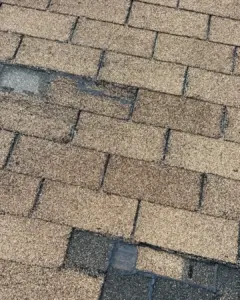
Executing a successful roof installation depends heavily on ambient weather conditions. The sweltering summer heat in North Phoenix and Anthem often sees temperatures soaring well past 100°F. In contrast, autumn brings a welcome respite with moderate, consistent thermal conditions that benefit both materials and installation crews.
Perfect Conditions for Material Curing and Adhesion
Many standard roofing systems, including asphalt shingle configurations, rely on thermal sealing strips to lock down individually laid components.
- The Summer Challenge: Extreme summer temperatures can scorch shingles, causing adhesives to cure prematurely or unevenly.
- The Winter Challenge: Colder winter nights can prevent adhesives from properly activating, leaving materials vulnerable to high desert wind uplift.
- The Fall Solution: Mild fall temperatures provide steady, ambient warmth. This ensures thermal adhesives activate evenly and seal completely without thermal shock, giving your new roof maximum structural resilience from day one.
Optimal Performance for Tile and Metal Systems
Whether your home utilizes classic concrete tiles, clay, or modern metal systems, thermal expansion plays a massive role in installation quality. Installing materials during extreme heat means they are fitted while expanded to their maximum limit. As temperatures drop, materials contract, creating stress on fasteners and underlayment. Fall temperatures sit right in the middle of Arizona’s annual thermal range, minimizing material stress and enabling a precise fit.
To learn more about how moderate weather impacts roof construction standards, you can review guidelines from the National Roofing Contractors Association, which highlights ideal thermal ranges for asphalt and tile installations.
Protecting Your Home Before Winter Rains and Spring Winds
Delaying a roof replacement in Anthem Arizona until damage is visibly obvious inside your living room often leads to costlier repairs. The transition from summer to fall is a crucial window for proactive home maintenance.
During the summer monsoons, intense downpours and high winds test the limits of your roof. Minor cracks in your tile, worn-out underlayment, or compromised flashings may not leak immediately, but the structural degradation has likely begun.
Replacing your roof during the mild fall months provides distinct advantages:
- Remediates hidden monsoon damage: Fall replacement addresses any compromised underlayment left behind by summer storms before winter rains arrive.
- Prepares your home for seasonal shifts: Autumn acts as a protective buffer, ensuring your property is secure before spring windstorms roll through the Valley.
- Improves thermal efficiency: Upgrading your roof setup before winter helps seal thermal envelope gaps, keeping your home warmer during chilly desert nights while reducing heating bills.
Why Choose Triumph Roofing for Your Anthem Home?
At Triumph Roofing, we understand the specific environmental demands placed on homes throughout North Phoenix and Anthem. As a family-owned, licensed, bonded, and insured company, we pride ourselves on exceptional craftsmanship, transparent communication, and job sites kept clean from start to finish.
When scheduling a roof replacement in Anthem Arizona with our team, you gain access to:
Premium Brand Partnerships
A long-lasting roof requires top-tier materials. We partner exclusively with industry-leading manufacturers, including Owens Corning and GAF for durable shingle systems, as well as premium tile manufacturers like Tri-Built and US Tile. Check out our full selection of roofing products engineered specifically to handle the Arizona heat and seasonal storms.
Five-Year Workmanship Warranty
We stand behind every single installation. Along with manufacturer warranties, Triumph Roofing provides a comprehensive 5-year workmanship warranty on our jobs, giving you complete peace of mind that your investment is protected for years to come.
Schedule Your Complimentary Fall Roof Inspection Today
Don’t wait for a minor leak to turn into major interior water damage. Take advantage of Anthem’s mild fall weather and set your home up for years of leak-free protection.
If you are considering a new roof or simply want to know where your current system stands after the monsoon season, our local experts are here to help.
Contact Triumph Roofing online or call us at (602) 935-8484 today to schedule your complimentary, no-obligation roof inspection!
Complete the form below to schedule your free roof estimate!
"*" indicates required fields
How Long Do Tile Roofs Last in Arizona?
How Long Do Tile Roofs Last in Arizona?
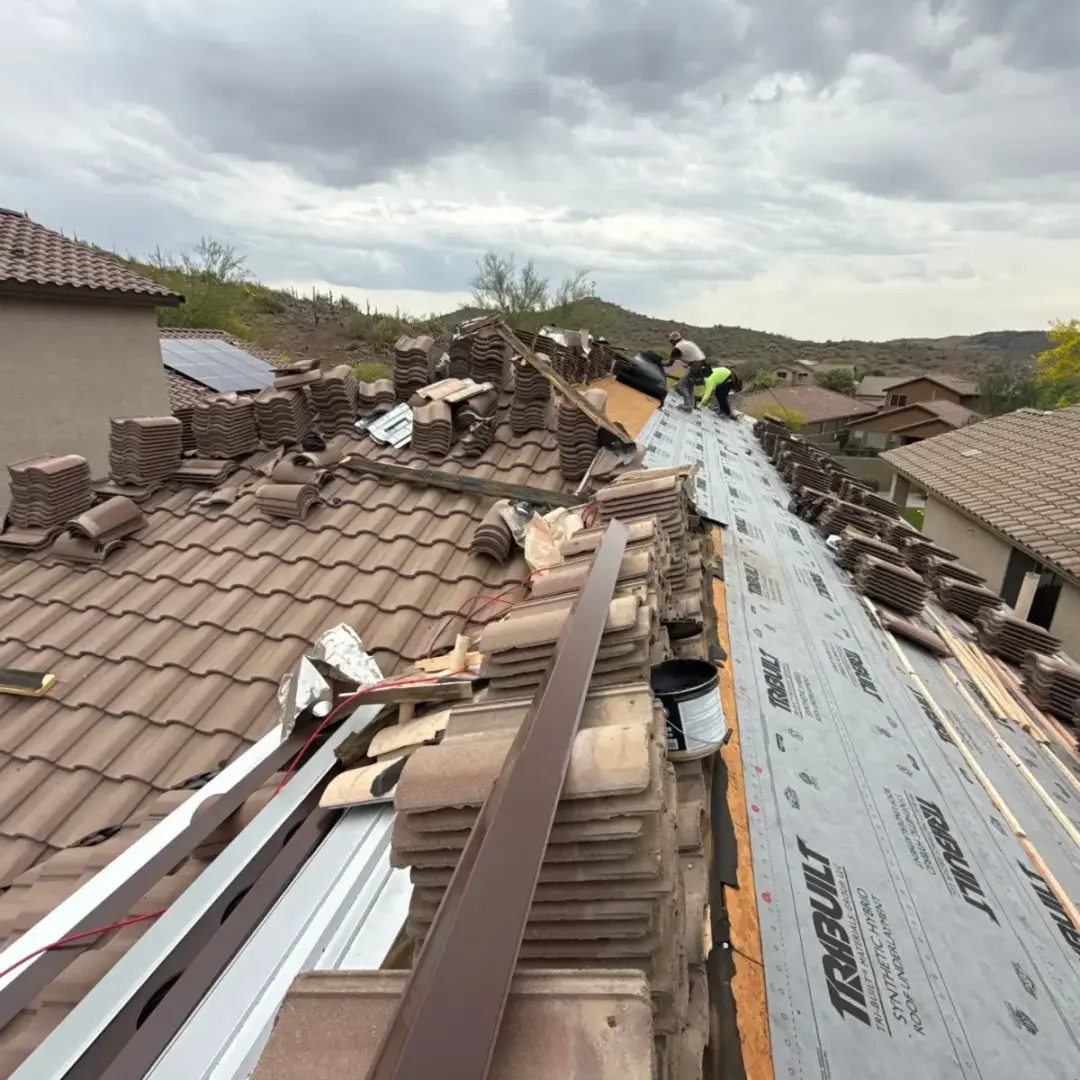
When considering roofing materials for desert homes, few options match the timeless style and structural beauty of clay and concrete tiles. However, prospective buyers and existing homeowners alike frequently wonder: how long do tile roofs last in Arizona?
In Arizona’s Sonoran Desert, tile roofs are among the most durable options available. Under ideal conditions, high-quality clay or concrete tiles can easily last 50 to 100 years, and often for the entire lifespan of the building. However, while the tiles themselves are nearly indestructible, the unique climate of the Phoenix Valley creates specific challenges that directly affect your roof’s overall longevity.
Factors Influencing Tile Roof Lifespan in the Sonoran Desert
To fully evaluate how long tile roofs last in Arizona, it is essential to consider how desert elements interact with roofing materials day after day.
Extreme Heat and Thermal Expansion
The Arizona sun delivers over 300 days of intense sunlight each year, pushing summertime surface temperatures on roofs well above 150°F. Concrete and clay tiles excel in this environment because they possess natural thermal resistance. Air channels under installed tiles create a natural thermal barrier that helps isolate heat before it reaches your living space. In fact, tile roofs can improve home energy efficiency and help lower cooling bills by up to 20%.
However, constant exposure to extreme heat causes subtle expansion during the day and contraction at night. Over several decades, this thermal movement can slowly weaken flashing seals and age structural underlayment beneath the tiles.
Monsoon Weather and High Winds
Arizona’s summer monsoon season brings violent microbursts, dust storms (haboobs), heavy downpours, and localized hail. While heavy tiles are rated to withstand severe winds, flying debris or severe hail can chip, crack, or dislodge individual tiles. When tiles shift or break, rain can penetrate directly to the underlayment, potentially causing hidden leaks if not addressed quickly. Homeowners facing post-storm issues often rely on professional storm damage restoration services to secure the home before interior water damage develops.
Concrete vs. Clay Roof Tiles: Which Lasts Longer?
Both clay and concrete are exceptional choices for Arizona residential and commercial properties, but they offer slightly different performance profiles.
Clay Tiles
Fired in kilns at extreme temperatures, natural clay tiles resist sun fading because their color is baked into the material itself. Clay tiles absorb virtually no water, making them impervious to moisture degradation. With proper care, clay tile systems can last 75 to 100+ years. According to testing guidelines from the Tile Roofing Industry Alliance, proper installation and attachment allow concrete and clay tiles to withstand winds up to 200 mph.
Concrete Tiles
Made from a dense mixture of sand, cement, and water, concrete tiles are slightly heavier and extremely durable. While their surface color may soften slightly over decades under direct UV rays, concrete tiles typically last 30 to 50+ years. They offer a versatile, cost-effective alternative for homeowners looking for long-term protection on a budget.
The Hidden Variable: Underlayment Failure
The primary distinction every Arizona homeowner must understand is the difference between the tiles and the underlayment.
- The Tiles: Act as a hard outer shield protecting against UV rays, wind, impact, and heat.
- The Underlayment: A water-resistant membrane underneath the tiles that serves as the final barrier against water intrusion.
While the tiles themselves can last over half a century, traditional organic or felt underlayments exposed to desert heat typically degrade after 20 to 30 years. When underlayment deteriorates, water can migrate into your home even if the tiles above look intact. Proactive homeowners schedule periodic inspections and expert tile roof repairs to catch cracked underlayment, replace worn flashing, or lift and re-lay sections of tile before widespread damage occurs.
How to Extend the Life of Your Tile Roof
Schedule Regular Maintenance and Inspections
Inspecting your roof annually, and immediately following severe wind or hail storms, ensures minor issues do not turn into major structural repairs. Certified inspectors check for slipped tiles, debris buildup in valleys, and deteriorated sealants around roof penetrations.
Repair Localized Damage Promptly
Replacing a single broken tile or restoring small sections of underlayment is quick and affordable. Promptly matching and resecuring loose tiles prevents wind uplift from affecting neighboring tiles during the next big storm.
Trust Certified Local Experts
When an aging roof reaches the end of its underlayment lifespan, a complete underlayment replacement (often called a tile lift-and-lay) or a full Scottsdale tile roof replacement will restore total weatherproofing while preserving your existing architectural style.
Protect Your Investment with Triumph Roofing
When asking how long do tile roofs last in Arizona, the answer relies heavily on the quality of initial installation and ongoing care. While high-grade tiles easily endure for generations, keeping the underlying roof structure dry requires seasoned craftsmanship.
At Triumph Roofing, we specialize in comprehensive tile roof installations, underlayment replacements, and leak repairs throughout North Phoenix, Scottsdale, and the Valley. As a family-owned, licensed, bonded, and insured contractor (AZ ROC #334843), we back our work with a 5-year workmanship warranty on top of manufacturer coverage.
Complete the form below to schedule your free roof estimate!
Get an Instant Estimate
How Phoenix’s Record Heat Wave Is Damaging Your Roof
How Phoenix’s Record Heat Wave Is Damaging Your Roof
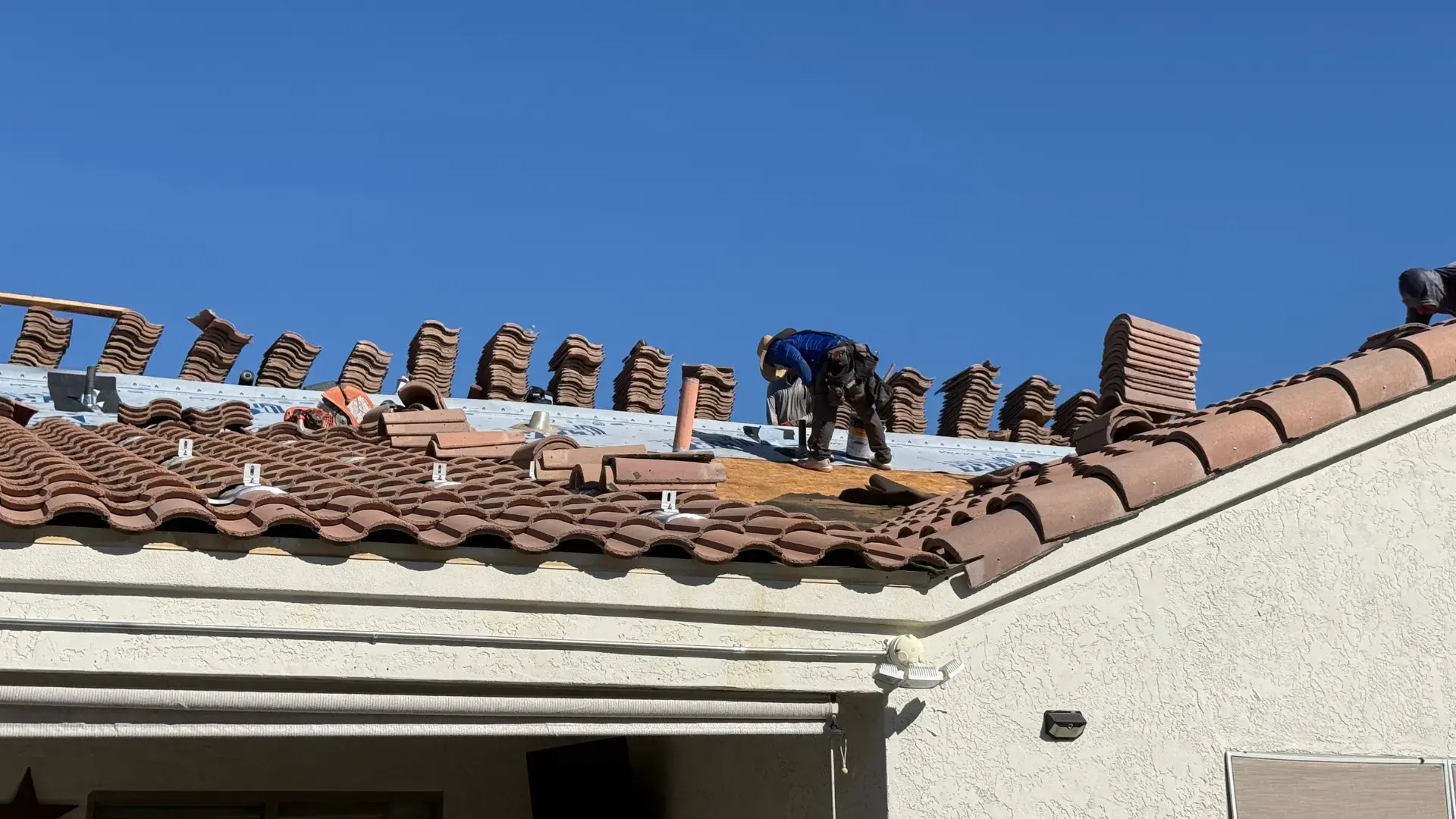
When Phoenix residents prepare for summer, most focus on air conditioning, energy bills, and staying hydrated. However, your home’s roof endures the brunt of Arizona’s extreme climate every single day. While monsoon storms get most of the headlines for sudden roofing emergencies, the silent, relentless heat of a Phoenix record heat wave often inflicts far more cumulative damage.
Extreme desert heat elevates roof surface temperatures to 150°F or higher. This continuous thermal stress degrades roofing materials long before rain ever falls. At Triumph Roofing, we believe in helping homeowners take a proactive approach to property maintenance rather than waiting for an unexpected leak. Understanding how high temperatures break down your roof can help you catch minor damage early and avoid costly full-scale replacements.
The Hidden Mechanics of Heat Damage on Desert Roofs
Desert heat does not just make your home warm; it fundamentally alters the chemical and physical integrity of your roofing materials. When exposed to prolonged sunlight and extreme temperatures during a Phoenix record heat wave, several distinct forms of degradation occur simultaneously.
UV Degradation and Volatile Compound Loss
Asphalt shingles and underlying felt materials rely on petroleum-based oils and volatile organic compounds to remain flexible and water-resistant. Severe ultraviolet (UV) radiation breaks down these chemical bonds. Over time, UV rays cause the oils inside the material to evaporate, leaving shingles brittle, thin, and prone to cracking. Once the protective top layer degrades, the underlying roof structure becomes vulnerable to moisture penetration.
Shingle Blistering and Granule Loss
If moisture was trapped inside an asphalt shingle during manufacturing or installation, excessive heat turns that trapped moisture into steam. As the gas expands, it forces its way to the surface, creating visible bubbles known as shingle blistering. As these blisters pop, they shed protective mineral granules, exposing the bare asphalt beneath to direct sunlight and accelerating UV damage.
Thermal Expansion, Contraction, and Tile Cracking
During a Phoenix record heat wave, roof materials undergo extreme thermal cycling. Daytime surface temperatures soar above 150°F, only to cool down significantly overnight. This rapid shift causes materials to repeatedly expand and contract, a process known as thermal shock.
- Concrete and Clay Tiles: While concrete and clay tiles are exceptionally durable against heat, constant thermal movement creates stress points that lead to fine fractures and tile cracking.
- Underlayment Breakdown: Beneath those tiles sits a critical layer of waterproof underlayment. Thermal expansion pushes and pulls on this underlayment, hastening dry rot and causing it to split or tear.
- Flashing and Fasteners: Metal flashing around chimneys, vents, and valleys expands at a different rate than surrounding wood or tile, causing sealants to pull away and nails to back out.
Why Waiting for Storms Is a Costly Mistake
Many Phoenix homeowners only think about roof repairs when water starts dripping through the ceiling during a heavy rainstorm. By that point, heat damage has likely been silently degrading the roof for years. Taking a proactive stance with your tile roof allows you to address subtle issues before they turn into major structural failures.
The Value of Early Heat-Damage Inspections
A standard visual check from the ground rarely reveals deteriorating underlayment or hairline tile fractures. Our experienced technicians perform detailed roof evaluations to identify dried-out underlayment, blistering shingles, compromised sealants, and thermal movement issues. Our roofing services fix heat damage early, extending the overall lifespan of your current roofing system.
According to climate data from the National Weather Service, extreme temperature events in the Southwest continue to set new duration records, making proactive building maintenance more vital than ever for Phoenix homeowners.
Protect Your Investment with Triumph Roofing
Don’t let the harsh summer sun compromise the safety and value of your home. By staying ahead of UV degradation, shingle blistering, and thermal fatigue, you ensure your roof remains leak-free for years to come.
Get an Instant Estimate
Does Your Roof Warranty Cover Monsoon Wind or Hail Damage?
Does Your Roof Warranty Cover Monsoon Wind or Hail Damage?
When dark monsoon clouds roll over the Phoenix Valley, bringing blinding dust, microburst winds, and sudden downpours, most Arizona homeowners take comfort in knowing their roof comes with a warranty. However, one of the biggest misconceptions in residential roofing is assuming that a “lifetime warranty” or a builder guarantee acts as an all-inclusive safety net against severe storm events.
If a summer storm tears off shingles, cracks roof tiles, or sends hail hammering down on your home, you might wonder: Does your roof warranty cover monsoon wind or hail damage?
The short answer is usually no. While roof warranties provide essential protection for material defects and installation errors, they are not designed to replace home insurance policies when act-of-God weather strikes. Understanding the boundary between warranty protection and insurance coverage is crucial for protecting your investment before the next Arizona storm season arrives.
The Difference Between Roof Warranties and Home Insurance
To understand why a warranty won’t cover storm damage, it helps to break down the distinct functions of a manufacturer warranty, a roofer’s workmanship warranty, and a home insurance policy.
Manufacturer Warranties: Protecting Against Material Flaws
A manufacturer warranty is issued by the company that produces your shingles, concrete tiles, or flat roof membranes. This coverage guarantees that the materials themselves will not fail prematurely due to manufacturing defects. For example, if a batch of shingles experiences abnormal thermal degradation or seal failure due to a factory error, the manufacturer covers the cost of replacement materials.
However, manufacturer warranties explicitly exclude damage caused by external forces like falling debris, severe microbursts, or hail impact.
Workmanship Warranties: Guaranteeing Proper Installation
A workmanship warranty is provided directly by your roofing contractor. At Triumph Roofing, for example, every project we complete comes with a 5-year workmanship warranty on top of factory material coverage. This guarantee ensures that your roof was installed strictly to local building codes and manufacturer specifications.
If a leak develops because a pipe boot wasn’t properly flashed or a tile was installed incorrectly, the contractor fixes it under warranty. But if 70-mph monsoon winds tear those perfectly installed tiles off your roof, the issue falls outside the scope of installation craftsmanship.
Homeowners Insurance: Covering Sudden Storm Damage
This is where homeowners insurance takes over. Insurance policies are specifically designed to protect your property against sudden, accidental, and unpreventable events, commonly referred to as “acts of nature.” Monsoon winds, hail impacts, tree limb collapses, and severe lightning strikes fall strictly under home insurance peril coverage.
According to guidance from the National Association of Insurance Commissioners (NAIC), standard homeowners insurance policies typically cover sudden physical damage caused by windstorms and hail, whereas warranties cover material wear and craftsmanship flaws
Does Your Roof Warranty Cover Monsoon Wind or Hail Damage?
When evaluating the question, does your roof warranty cover monsoon wind or hail damage? It helps to look at the exact exclusions written into standard roofing contracts.
Monsoon Wind Exclusions
While some asphalt shingles come with limited wind warranties (often rated between 60 mph and 130 mph depending on the shingle line), these ratings usually apply to wind uplift resistance under normal operating conditions. If straight-line microburst winds exceed rated limits or lift tiles that were structurally intact, the warranty will not pay for the repairs. Insurance must be used to restore storm damage.
Hail Damage Exclusions
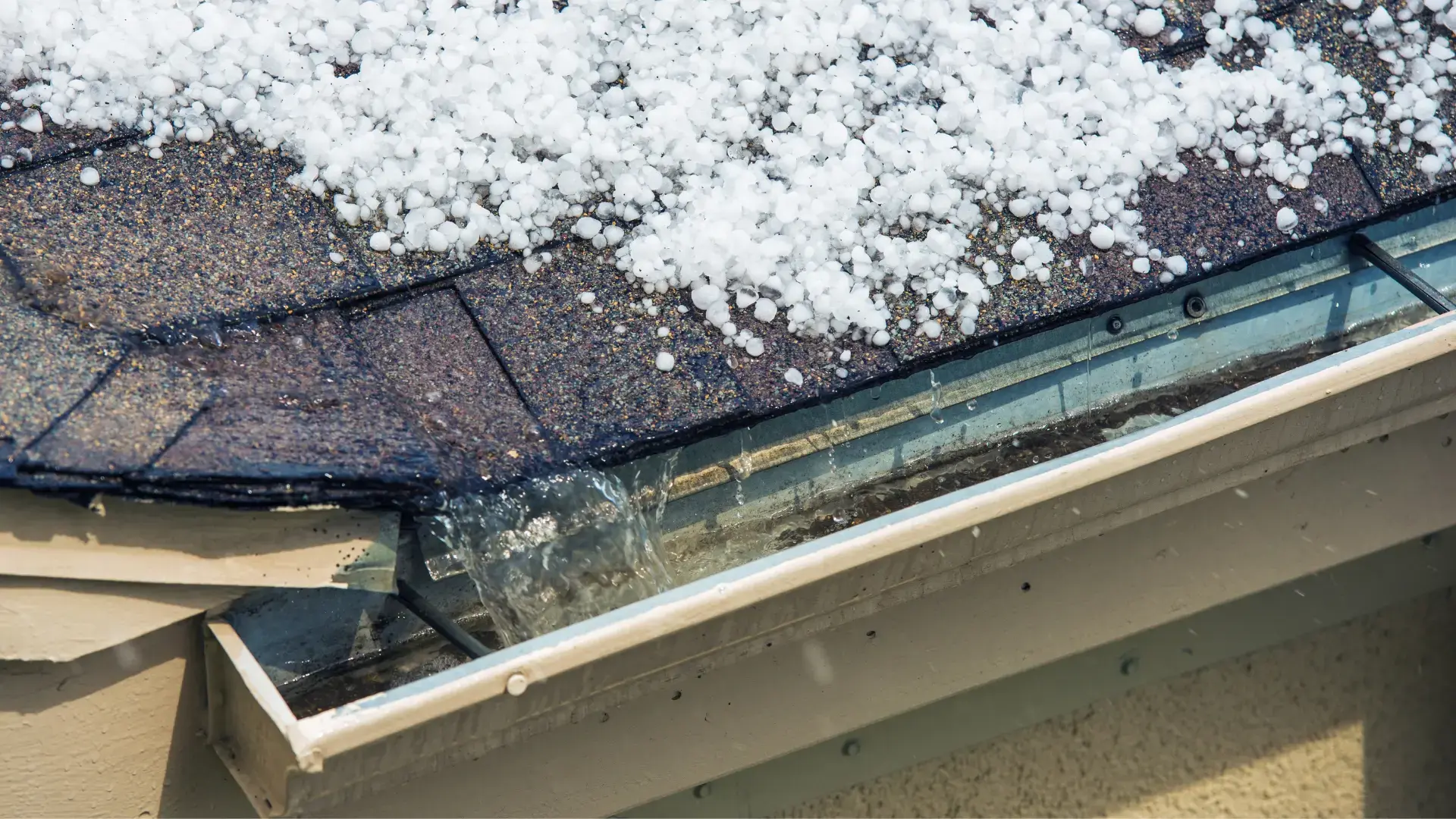
Hail is a physical impact event. When hail hits a tile roof, it can crack concrete or clay, leaving the underlayment exposed to water intrusion. On shingle roofs, hail knocks off protective granules, exposing the underlying asphalt layer to rapid UV destruction. No standard manufacturer or contractor warranty covers physical impact damage from hail.
In short: if you ask your roofer or material manufacturer, “Does your roof warranty cover monsoon wind or hail damage?”, the answer will always point you straight to your homeowners insurance agent.
What to Do When Storm Damage Strikes Your Roof
Navigating the aftermath of an Arizona monsoon can be stressful, but taking prompt action protects both your home and your insurance claim eligibility.
- Request a Professional Roof Inspection: Never climb onto a slick or damaged roof yourself. Instead, call a certified local roofer to schedule a thorough assessment. Our team at Triumph Roofing conducts detailed complimentary roof inspections throughout North Phoenix and the Valley to document missing shingles, cracked tiles, and compromised flashing.
- Document the Storm Damage Clearly: Insurance adjusters require clear, objective evidence showing that damage was caused by a recent weather event rather than long-term neglect. A reputable roofer will capture high-resolution photos and detailed reports highlighting fresh hail strikes or wind-lifted materials.
- Work with an Experienced Storm Damage Contractor: Navigating the insurance claims process can feel overwhelming. Partnering with specialists who understand local insurance requirements helps streamline your claim and ensures your roof is restored to pre-storm condition. When storm restoration requires more than a spot repair, homeowners turn to our comprehensive storm damage roof repair services to handle everything from emergency tarping to full system restoration.
- Maintain Your Roof to Keep Warranties Intact: Failing to maintain your roof, such as ignoring cracked tiles or allowing debris to clog roof valleys, can void your manufacturer warranty and complicate future insurance claims. Scheduling regular inspections ensures your roof remains in peak condition year-round. If your underlying materials are past their prime, investing in a proactive Phoenix tile roof replacement keeps both your warranty protection and insurance coverage rock-solid.
Protect Your Home with Triumph Roofing
While a roof warranty protects against material and installation defects, your home insurance covers the unexpected fury of Arizona monsoons. Knowing how these two protections work together gives you total confidence when severe weather strikes.
At Triumph Roofing, we are family-owned, licensed, bonded, and insured (AZ ROC #334843). Whether you need a routine warranty checkup, an expert storm inspection, or full roof restoration, we bring years of Arizona desert expertise to every job.
If you suspect monsoon or hail damage on your roof, Contact us today to schedule your free roof inspection and estimate!
"*" indicates required fields

We Care About Our Work!
We offer a 5-year workmanship warranty on all jobs done!
Because we care, we offer an extra warranty on top of any factory warranty that your supplies includes!
Some material manufacturers also offer a lifetime limited warranty.