
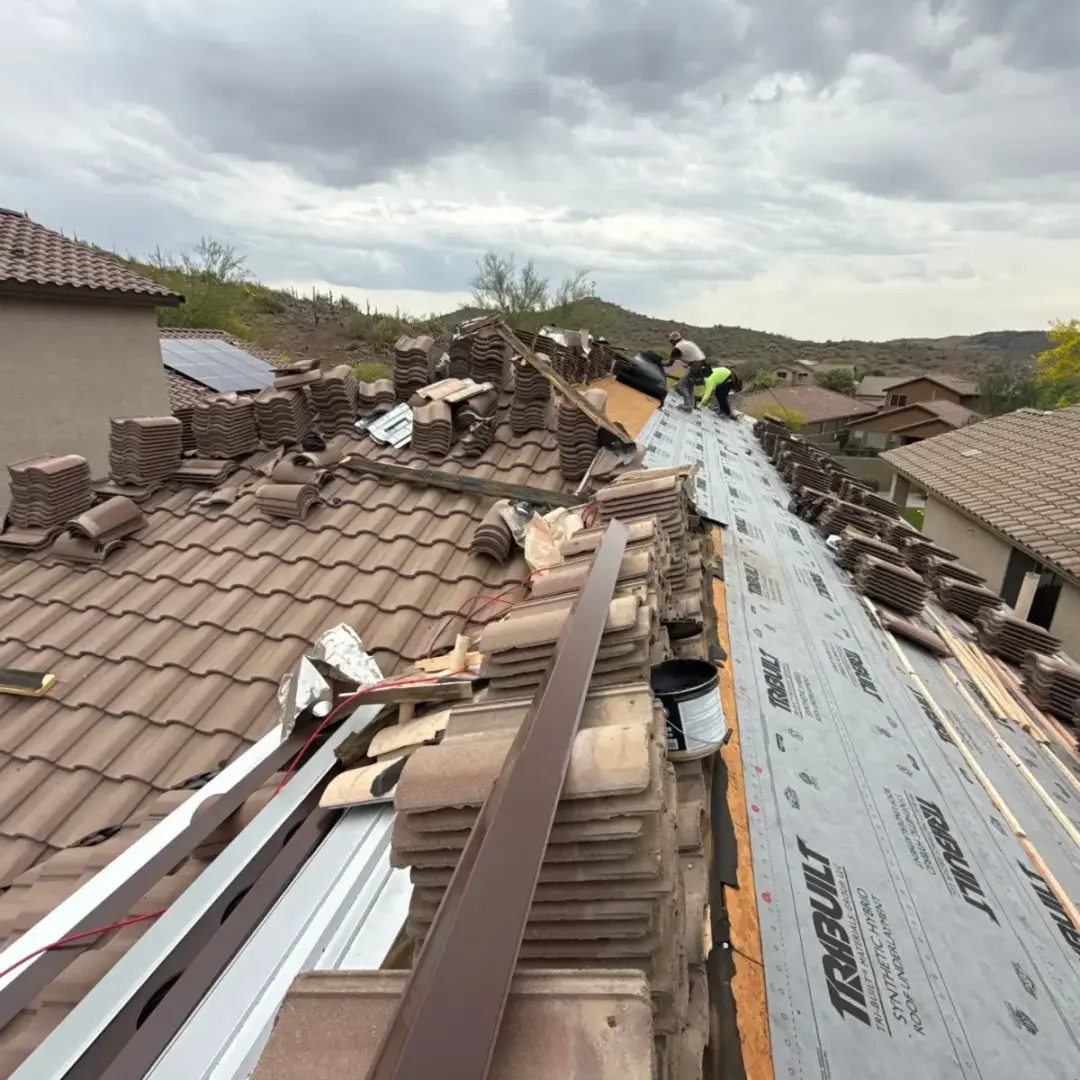
How Long Do Tile Roofs Last in Arizona?
How Long Do Tile Roofs Last in Arizona?
When considering roofing materials for desert homes, few options match the timeless style and structural beauty of clay and concrete tiles. However, prospective buyers and existing homeowners alike frequently wonder: how long do tile roofs last in Arizona?
In Arizona’s Sonoran Desert, tile roofs are among the most durable options available. Under ideal conditions, high-quality clay or concrete tiles can easily last 50 to 100 years, and often for the entire lifespan of the building. However, while the tiles themselves are nearly indestructible, the unique climate of the Phoenix Valley creates specific challenges that directly affect your roof’s overall longevity.
Factors Influencing Tile Roof Lifespan in the Sonoran Desert
To fully evaluate how long tile roofs last in Arizona, it is essential to consider how desert elements interact with roofing materials day after day.
Extreme Heat and Thermal Expansion
The Arizona sun delivers over 300 days of intense sunlight each year, pushing summertime surface temperatures on roofs well above 150°F. Concrete and clay tiles excel in this environment because they possess natural thermal resistance. Air channels under installed tiles create a natural thermal barrier that helps isolate heat before it reaches your living space. In fact, tile roofs can improve home energy efficiency and help lower cooling bills by up to 20%.
However, constant exposure to extreme heat causes subtle expansion during the day and contraction at night. Over several decades, this thermal movement can slowly weaken flashing seals and age structural underlayment beneath the tiles.
Monsoon Weather and High Winds
Arizona’s summer monsoon season brings violent microbursts, dust storms (haboobs), heavy downpours, and localized hail. While heavy tiles are rated to withstand severe winds, flying debris or severe hail can chip, crack, or dislodge individual tiles. When tiles shift or break, rain can penetrate directly to the underlayment, potentially causing hidden leaks if not addressed quickly. Homeowners facing post-storm issues often rely on professional storm damage restoration services to secure the home before interior water damage develops.
Concrete vs. Clay Roof Tiles: Which Lasts Longer?
Both clay and concrete are exceptional choices for Arizona residential and commercial properties, but they offer slightly different performance profiles.
Clay Tiles
Fired in kilns at extreme temperatures, natural clay tiles resist sun fading because their color is baked into the material itself. Clay tiles absorb virtually no water, making them impervious to moisture degradation. With proper care, clay tile systems can last 75 to 100+ years. According to testing guidelines from the Tile Roofing Industry Alliance, proper installation and attachment allow concrete and clay tiles to withstand winds up to 200 mph.
Concrete Tiles
Made from a dense mixture of sand, cement, and water, concrete tiles are slightly heavier and extremely durable. While their surface color may soften slightly over decades under direct UV rays, concrete tiles typically last 30 to 50+ years. They offer a versatile, cost-effective alternative for homeowners looking for long-term protection on a budget.
The Hidden Variable: Underlayment Failure
The primary distinction every Arizona homeowner must understand is the difference between the tiles and the underlayment.
- The Tiles: Act as a hard outer shield protecting against UV rays, wind, impact, and heat.
- The Underlayment: A water-resistant membrane underneath the tiles that serves as the final barrier against water intrusion.
While the tiles themselves can last over half a century, traditional organic or felt underlayments exposed to desert heat typically degrade after 20 to 30 years. When underlayment deteriorates, water can migrate into your home even if the tiles above look intact. Proactive homeowners schedule periodic inspections and expert tile roof repairs to catch cracked underlayment, replace worn flashing, or lift and re-lay sections of tile before widespread damage occurs.
How to Extend the Life of Your Tile Roof
Schedule Regular Maintenance and Inspections
Inspecting your roof annually, and immediately following severe wind or hail storms, ensures minor issues do not turn into major structural repairs. Certified inspectors check for slipped tiles, debris buildup in valleys, and deteriorated sealants around roof penetrations.
Repair Localized Damage Promptly
Replacing a single broken tile or restoring small sections of underlayment is quick and affordable. Promptly matching and resecuring loose tiles prevents wind uplift from affecting neighboring tiles during the next big storm.
Trust Certified Local Experts
When an aging roof reaches the end of its underlayment lifespan, a complete underlayment replacement (often called a tile lift-and-lay) or a full Scottsdale tile roof replacement will restore total weatherproofing while preserving your existing architectural style.
Protect Your Investment with Triumph Roofing
When asking how long do tile roofs last in Arizona, the answer relies heavily on the quality of initial installation and ongoing care. While high-grade tiles easily endure for generations, keeping the underlying roof structure dry requires seasoned craftsmanship.
At Triumph Roofing, we specialize in comprehensive tile roof installations, underlayment replacements, and leak repairs throughout North Phoenix, Scottsdale, and the Valley. As a family-owned, licensed, bonded, and insured contractor (AZ ROC #334843), we back our work with a 5-year workmanship warranty on top of manufacturer coverage.
Complete the form below to schedule your free roof estimate!
Get an Instant Estimate
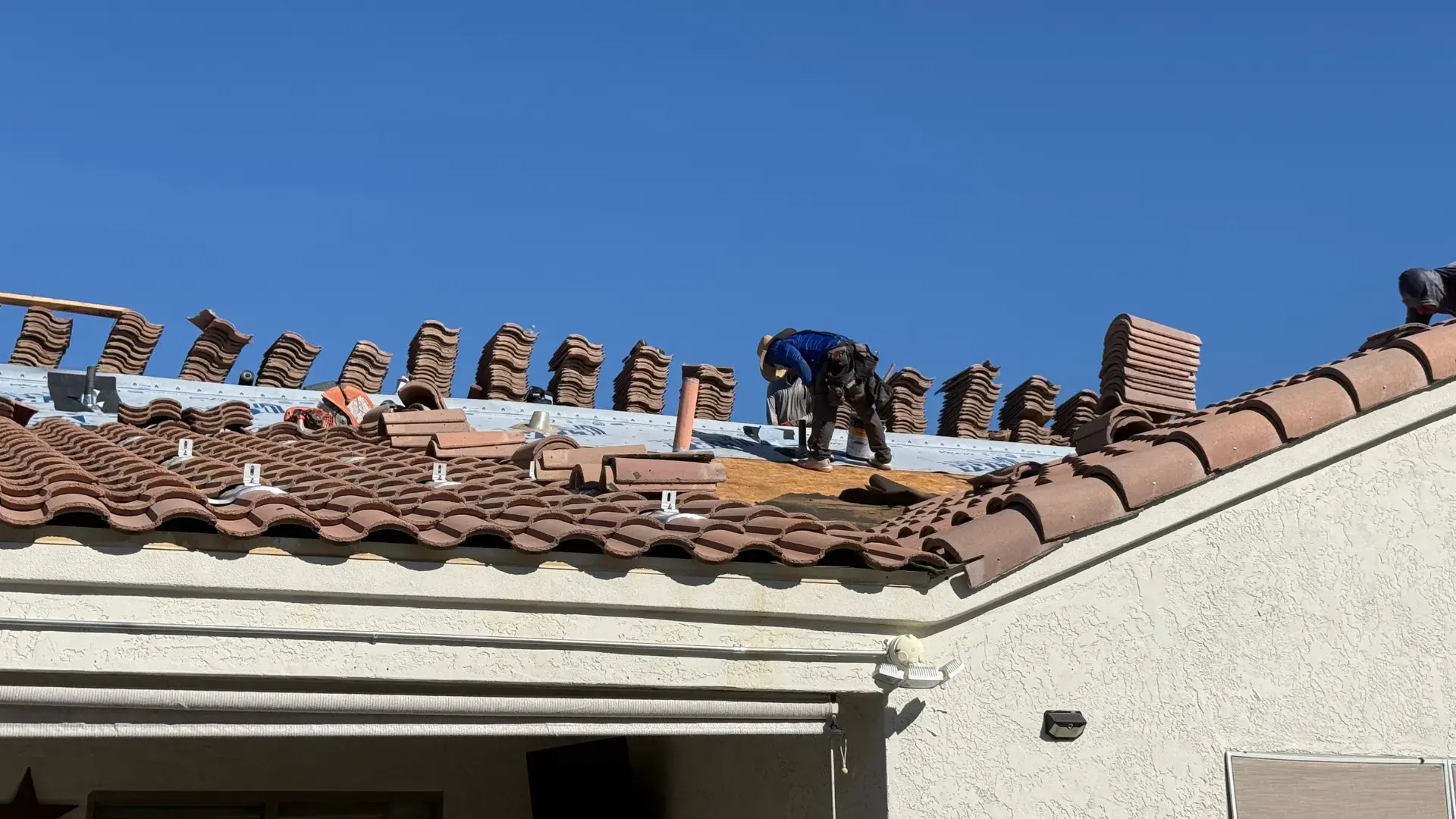
How Phoenix’s Record Heat Wave Is Damaging Your Roof
How Phoenix’s Record Heat Wave Is Damaging Your Roof
When Phoenix residents prepare for summer, most focus on air conditioning, energy bills, and staying hydrated. However, your home’s roof endures the brunt of Arizona’s extreme climate every single day. While monsoon storms get most of the headlines for sudden roofing emergencies, the silent, relentless heat of a Phoenix record heat wave often inflicts far more cumulative damage.
Extreme desert heat elevates roof surface temperatures to 150°F or higher. This continuous thermal stress degrades roofing materials long before rain ever falls. At Triumph Roofing, we believe in helping homeowners take a proactive approach to property maintenance rather than waiting for an unexpected leak. Understanding how high temperatures break down your roof can help you catch minor damage early and avoid costly full-scale replacements.
The Hidden Mechanics of Heat Damage on Desert Roofs
Desert heat does not just make your home warm; it fundamentally alters the chemical and physical integrity of your roofing materials. When exposed to prolonged sunlight and extreme temperatures during a Phoenix record heat wave, several distinct forms of degradation occur simultaneously.
UV Degradation and Volatile Compound Loss
Asphalt shingles and underlying felt materials rely on petroleum-based oils and volatile organic compounds to remain flexible and water-resistant. Severe ultraviolet (UV) radiation breaks down these chemical bonds. Over time, UV rays cause the oils inside the material to evaporate, leaving shingles brittle, thin, and prone to cracking. Once the protective top layer degrades, the underlying roof structure becomes vulnerable to moisture penetration.
Shingle Blistering and Granule Loss
If moisture was trapped inside an asphalt shingle during manufacturing or installation, excessive heat turns that trapped moisture into steam. As the gas expands, it forces its way to the surface, creating visible bubbles known as shingle blistering. As these blisters pop, they shed protective mineral granules, exposing the bare asphalt beneath to direct sunlight and accelerating UV damage.
Thermal Expansion, Contraction, and Tile Cracking
During a Phoenix record heat wave, roof materials undergo extreme thermal cycling. Daytime surface temperatures soar above 150°F, only to cool down significantly overnight. This rapid shift causes materials to repeatedly expand and contract, a process known as thermal shock.
- Concrete and Clay Tiles: While concrete and clay tiles are exceptionally durable against heat, constant thermal movement creates stress points that lead to fine fractures and tile cracking.
- Underlayment Breakdown: Beneath those tiles sits a critical layer of waterproof underlayment. Thermal expansion pushes and pulls on this underlayment, hastening dry rot and causing it to split or tear.
- Flashing and Fasteners: Metal flashing around chimneys, vents, and valleys expands at a different rate than surrounding wood or tile, causing sealants to pull away and nails to back out.
Why Waiting for Storms Is a Costly Mistake
Many Phoenix homeowners only think about roof repairs when water starts dripping through the ceiling during a heavy rainstorm. By that point, heat damage has likely been silently degrading the roof for years. Taking a proactive stance with your tile roof allows you to address subtle issues before they turn into major structural failures.
The Value of Early Heat-Damage Inspections
A standard visual check from the ground rarely reveals deteriorating underlayment or hairline tile fractures. Our experienced technicians perform detailed roof evaluations to identify dried-out underlayment, blistering shingles, compromised sealants, and thermal movement issues. Our roofing services fix heat damage early, extending the overall lifespan of your current roofing system.
According to climate data from the National Weather Service, extreme temperature events in the Southwest continue to set new duration records, making proactive building maintenance more vital than ever for Phoenix homeowners.
Protect Your Investment with Triumph Roofing
Don’t let the harsh summer sun compromise the safety and value of your home. By staying ahead of UV degradation, shingle blistering, and thermal fatigue, you ensure your roof remains leak-free for years to come.
Get an Instant Estimate
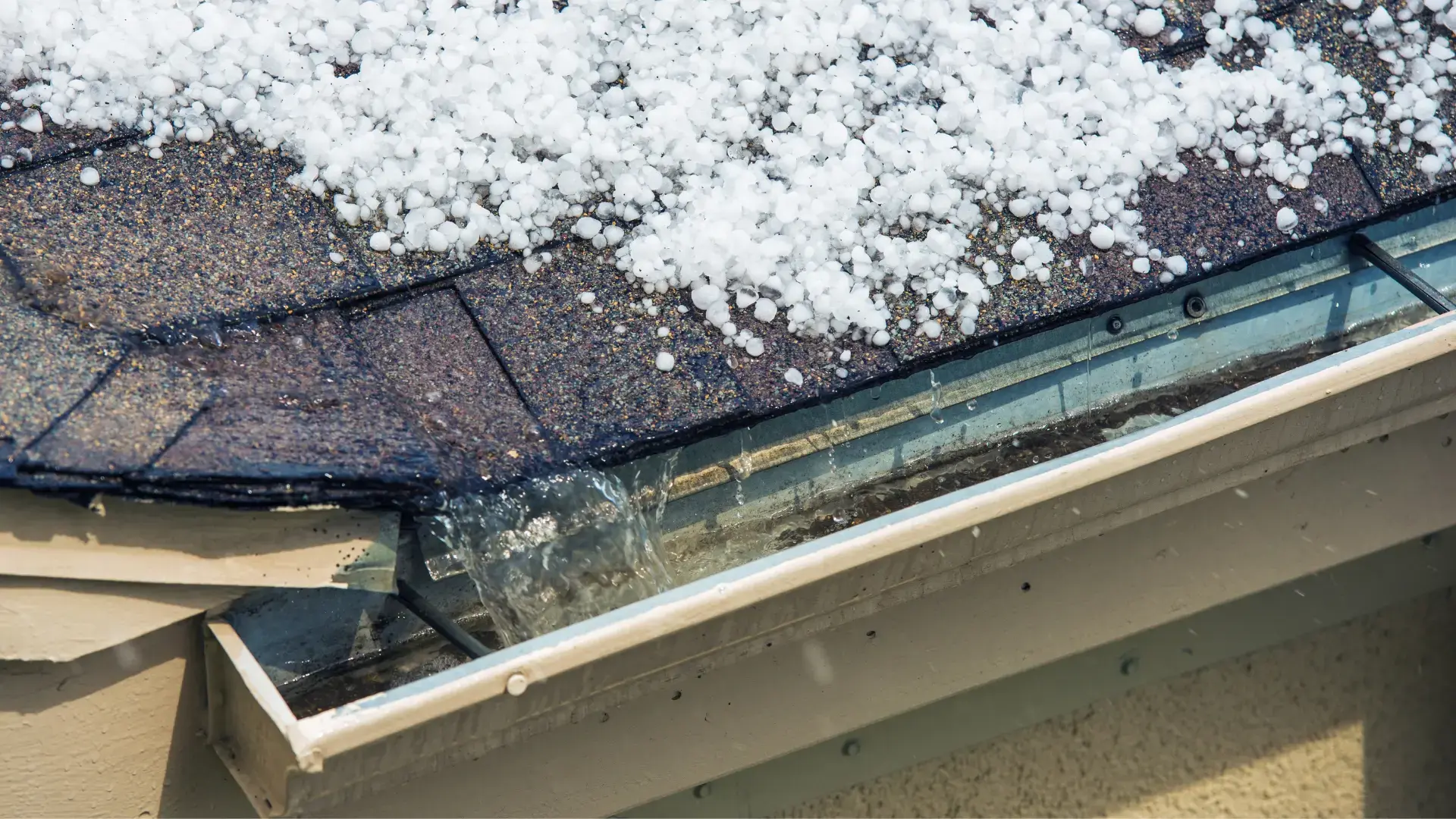
Does Your Roof Warranty Cover Monsoon Wind or Hail Damage?
Does Your Roof Warranty Cover Monsoon Wind or Hail Damage?
When dark monsoon clouds roll over the Phoenix Valley, bringing blinding dust, microburst winds, and sudden downpours, most Arizona homeowners take comfort in knowing their roof comes with a warranty. However, one of the biggest misconceptions in residential roofing is assuming that a “lifetime warranty” or a builder guarantee acts as an all-inclusive safety net against severe storm events.
If a summer storm tears off shingles, cracks roof tiles, or sends hail hammering down on your home, you might wonder: Does your roof warranty cover monsoon wind or hail damage?
The short answer is usually no. While roof warranties provide essential protection for material defects and installation errors, they are not designed to replace home insurance policies when act-of-God weather strikes. Understanding the boundary between warranty protection and insurance coverage is crucial for protecting your investment before the next Arizona storm season arrives.
The Difference Between Roof Warranties and Home Insurance
To understand why a warranty won’t cover storm damage, it helps to break down the distinct functions of a manufacturer warranty, a roofer’s workmanship warranty, and a home insurance policy.
Manufacturer Warranties: Protecting Against Material Flaws
A manufacturer warranty is issued by the company that produces your shingles, concrete tiles, or flat roof membranes. This coverage guarantees that the materials themselves will not fail prematurely due to manufacturing defects. For example, if a batch of shingles experiences abnormal thermal degradation or seal failure due to a factory error, the manufacturer covers the cost of replacement materials.
However, manufacturer warranties explicitly exclude damage caused by external forces like falling debris, severe microbursts, or hail impact.
Workmanship Warranties: Guaranteeing Proper Installation
A workmanship warranty is provided directly by your roofing contractor. At Triumph Roofing, for example, every project we complete comes with a 5-year workmanship warranty on top of factory material coverage. This guarantee ensures that your roof was installed strictly to local building codes and manufacturer specifications.
If a leak develops because a pipe boot wasn’t properly flashed or a tile was installed incorrectly, the contractor fixes it under warranty. But if 70-mph monsoon winds tear those perfectly installed tiles off your roof, the issue falls outside the scope of installation craftsmanship.
Homeowners Insurance: Covering Sudden Storm Damage
This is where homeowners insurance takes over. Insurance policies are specifically designed to protect your property against sudden, accidental, and unpreventable events, commonly referred to as “acts of nature.” Monsoon winds, hail impacts, tree limb collapses, and severe lightning strikes fall strictly under home insurance peril coverage.
According to guidance from the National Association of Insurance Commissioners (NAIC), standard homeowners insurance policies typically cover sudden physical damage caused by windstorms and hail, whereas warranties cover material wear and craftsmanship flaws
Does Your Roof Warranty Cover Monsoon Wind or Hail Damage?
When evaluating the question, does your roof warranty cover monsoon wind or hail damage? It helps to look at the exact exclusions written into standard roofing contracts.
Monsoon Wind Exclusions
While some asphalt shingles come with limited wind warranties (often rated between 60 mph and 130 mph depending on the shingle line), these ratings usually apply to wind uplift resistance under normal operating conditions. If straight-line microburst winds exceed rated limits or lift tiles that were structurally intact, the warranty will not pay for the repairs. Insurance must be used to restore storm damage.
Hail Damage Exclusions
Hail is a physical impact event. When hail hits a tile roof, it can crack concrete or clay, leaving the underlayment exposed to water intrusion. On shingle roofs, hail knocks off protective granules, exposing the underlying asphalt layer to rapid UV destruction. No standard manufacturer or contractor warranty covers physical impact damage from hail.
In short: if you ask your roofer or material manufacturer, “Does your roof warranty cover monsoon wind or hail damage?”, the answer will always point you straight to your homeowners insurance agent.
What to Do When Storm Damage Strikes Your Roof
Navigating the aftermath of an Arizona monsoon can be stressful, but taking prompt action protects both your home and your insurance claim eligibility.
- Request a Professional Roof Inspection: Never climb onto a slick or damaged roof yourself. Instead, call a certified local roofer to schedule a thorough assessment. Our team at Triumph Roofing conducts detailed complimentary roof inspections throughout North Phoenix and the Valley to document missing shingles, cracked tiles, and compromised flashing.
- Document the Storm Damage Clearly: Insurance adjusters require clear, objective evidence showing that damage was caused by a recent weather event rather than long-term neglect. A reputable roofer will capture high-resolution photos and detailed reports highlighting fresh hail strikes or wind-lifted materials.
- Work with an Experienced Storm Damage Contractor: Navigating the insurance claims process can feel overwhelming. Partnering with specialists who understand local insurance requirements helps streamline your claim and ensures your roof is restored to pre-storm condition. When storm restoration requires more than a spot repair, homeowners turn to our comprehensive storm damage roof repair services to handle everything from emergency tarping to full system restoration.
- Maintain Your Roof to Keep Warranties Intact: Failing to maintain your roof, such as ignoring cracked tiles or allowing debris to clog roof valleys, can void your manufacturer warranty and complicate future insurance claims. Scheduling regular inspections ensures your roof remains in peak condition year-round. If your underlying materials are past their prime, investing in a proactive Phoenix tile roof replacement keeps both your warranty protection and insurance coverage rock-solid.
Protect Your Home with Triumph Roofing
While a roof warranty protects against material and installation defects, your home insurance covers the unexpected fury of Arizona monsoons. Knowing how these two protections work together gives you total confidence when severe weather strikes.
At Triumph Roofing, we are family-owned, licensed, bonded, and insured (AZ ROC #334843). Whether you need a routine warranty checkup, an expert storm inspection, or full roof restoration, we bring years of Arizona desert expertise to every job.
If you suspect monsoon or hail damage on your roof, Contact us today to schedule your free roof inspection and estimate!
"*" indicates required fields

How to Prepare Your Roof for Super El Niño in Arizona This Season
How to Prepare Your Roof for Super El Niño in Arizona This Season

When most people think of Arizona weather, they picture blazing sunshine, saguaro cacti, and dry heat. However, weather patterns are shifting dramatically, and meteorologists are warning homeowners about the upcoming arrival of a super El Niño in Arizona. While an El Niño pattern typically means increased precipitation across the Southwest, a “Super” El Niño amplifies these effects, threatening our desert homes with torrential downpours, severe microbursts, and intense windstorms that can cause unexpected devastation.
At Triumph Roofing, we believe that your roof should do more than just cover your home, it should protect your investment, enhance your curb appeal, and stand up to everything nature throws your way. That is why preparing your roof before the clouds roll in is absolutely essential. Don’t wait until you find your roofer in the rain; by then, active leaks could already be causing costly structural damage to your ceiling and walls.
Why a Super El Niño in Arizona Requires Immediate Action
Arizona roofs face a unique challenge. Months of extreme desert heat and intense UV exposure bake our roofing materials, leaving them brittle and vulnerable. When a super El Niño in Arizona delivers consecutive weeks of heavy rain and wind, minor weak spots quickly turn into major liabilities.
Water always finds the path of least resistance. If your underlayment is cracked or your tiles are shifted, water will make its way into your home. Waiting until a major storm hits to call a contractor means competing with thousands of other stranded homeowners. Getting ahead of the weather ensures your home remains safe and dry.
How to Know If Your Roof Is Ready: Things to Check For
You don’t need to climb up onto a steep roof yourself to get an idea of your roof’s current health. There are several indicators you can check safely from the ground or inside your home to determine if your property is vulnerable.
1. Inspect Your Ceiling and Attic for Signs of Moisture
Take a walk through your home with a flashlight. Look closely at your ceilings, especially around light fixtures, chimneys, and vents. Do you see any bubbling paint, water stains, or discoloration? If you have safe access to your attic, check the rafters for damp wood or mold. These are clear signs that your current water barrier has been breached.
2. Look for Shifted, Cracked, or Missing Tiles and Shingles
If you have a tile roof, which is highly popular in Scottsdale and North Phoenix, look for any pieces that have slipped out of alignment, cracked, or broken entirely. For shingle roofs, look for curling edges, bald spots missing protective granules, or sections completely torn away by past monsoon winds.
3. Check for Damaged Flashings and Clogged Gutters
Flashing is the thin metal material installed around roof transitions, such as valleys, vents, skylights, and chimneys. Over time, desert heat can melt the sealants around these areas, leaving them exposed. Additionally, ensure your gutters and scuppers are entirely clear of debris. Blocked drainage causes water to pool on flat roofs or back up underneath tiles, creating severe leaks.
Secure Your Peace of Mind with a Professional Inspection
While a ground-level check is a great starting point, it cannot replace the trained eye of an experienced professional. Many of the most severe vulnerabilities, such as degraded underlayment beneath heavy clay tiles, are completely hidden from plain sight
Our Comprehensive Multi-Step Process
When you choose a trusted local expert like Triumph Roofing, you are investing in a meticulous, stress-free experience. We guide you through every phase of weatherproofing your property:
- Inspection: We offer complimentary roof inspections to evaluate the roof’s exact condition and look for hidden vulnerabilities.
- Consultation & Estimate: We sit down with you to review our findings and provide a transparent, clear quote with no shortcuts and no surprises.
- Installation & Guarantee: Whether you require localized tile roof repairs, a shingle replacement, or a complete overhaul, our licensed, bonded, and insured experts use the latest installation techniques to ensure lasting durability.
If past monsoon storms have already compromised your structure, our team also specializes in storm damage assessments and works directly with your insurance provider to streamline your claims process and get your home protected fast. According to the National Oceanic and Atmospheric Administration (NOAA), extreme weather volatility requires proactive home maintenance to prevent catastrophic structural losses. Don’t let a super El Niño in Arizona catch your property unprepared.
Ready to Protect Your Investment? Schedule Your Inspection Today!
Don’t wait until the first major storm hits to find out if your roof is ready. Protect your family, secure your home, and get total peace of mind before the heavy rains arrive.
Contact the expert team at Triumph Roofing today to schedule your complimentary roof inspection. Let our North Phoenix and Scottsdale roofing experts ensure your property is fully prepared to withstand anything nature throws its way this season!
"*" indicates required fields

7 Signs It’s Time to Replace Your Roof Before Monsoon Season
Before Monsoon Season
Every year, homeowners across the Phoenix Valley enjoy the clear skies of spring before the inevitable arrival of the Arizona monsoon season. While monsoons bring a welcome break from the dry heat, they also bring severe microbursts, sudden downpours, and violent windstorms. If your home’s roof is already compromised, these intense storms will aggressively expose every single weak point, turning minor issues into major, budget-wrecking emergencies.
At Triumph Roofing, we see firsthand how a single severe storm can completely devastate an aging roof. Waiting until rainwater is actively dripping through your ceiling drywall guarantees a chaotic, stressful, and incredibly expensive repair process.
Before the first storm clouds roll over the desert horizon, you need to know exactly where your home stands. Knowing the clear physical signs you need a new roof in Anthem, AZ allows you to take control of your property’s safety before the high-demand storm season hits.
The Crucial Threat of the Arizona Monsoon
The Arizona monsoon brings an unpredictable mix of atmospheric hazards. High wind speeds can effortlessly peel back aging materials, while sudden, torrential rain dumps inches of water onto your roof in a matter of minutes.
If your roofing system lacks structural integrity, water will bypass your external materials and pool directly on top of your internal ceilings. Getting ahead of the weather is the smartest financial decision you can make as a homeowner.
7 Signs It’s Time for a Complete Roof Replacement
Identifying whether your property requires basic maintenance or a comprehensive structural overhaul involves looking for key warning signs.
1. Widespread Tile Slippage or Missing Shingles
High winds are notorious for shifting roofing components out of place. If you look up from the curb and notice uneven rows, gaps, or completely missing concrete tiles or asphalt shingles, your roof’s underlying layers are directly exposed to the elements. A single misplaced tile lets harsh UV rays and heavy rainwater rapidly degrade your home’s waterproofing system.
2. Brittle, Rotting, or Crumbling Underlayment
In Arizona’s dry desert climate, the waterproofing underlayment beneath your tiles or shingles almost always fails long before the exterior materials wear out. If an inspection reveals that this layer has become brittle, thin, or easily cracks under touch, it can no longer repel water. When the underlayment fails, a complete roof replacement is typically the only permanent way to protect your structure.
3. Abundant Granule Loss in Your Gutters
Asphalt shingles are coated with protective ceramic granules that shield them from intense ultraviolet radiation. As shingle roofs reach the end of their operational lifespan, they shed these granules rapidly. If you clear out your drainage channels and find heavy deposits of dark, sand-like debris, your shingles have lost their weather-resistant properties and are highly vulnerable to storm damage.
4. Sagging Roof Decking or Internal Ceiling Sag
Take a close look at your roofline from a distance, and check your attic space if possible. If you spot any visible sagging, dips, or bowing along the ridges, you are facing a severe structural problem. This issue usually indicates that historical, unaddressed leaks have thoroughly rotted the plywood roof deck underneath.
5. Persistent Leaks and Repeat Repairs
If you find yourself hiring a contractor to patch the exact same area of your roof year after year, you are simply putting a temporary band-aid on a systemic failure. Continually paying for isolated repairs on a dying roof drains your bank account without solving the underlying issue. Upgrading your system gives you lasting protection and true peace of mind.
6. Cracked, Corroded, or Separated Flashing
Flashing consists of the metal transitions installed around highly sensitive areas like chimneys, plumbing vents, and valleys. Over time, the extreme Arizona heat expands and contracts these metal components, destroying the surrounding caulking and industrial sealants. According to roofing installation guidelines managed by the National Roofing Contractors Association (NRCA), faulty or separated flashing remains one of the primary entry points for water intrusion during heavy storm events.
7. Your Roof Has Reached Its Lifespan Limit
Sometimes, the clearest indicator is simply chronological age. While high-quality tile roofs can last for decades, the sensitive felt underlayment beneath them typically lasts between 15 to 25 years in the desert sun. Asphalt shingle roofs exposed to extreme heat waves often begin failing around the 15-year mark. If your roof is approaching these milestones, they are clear signs you need a new roof in Anthem, AZ.
Why Proactive Upgrades Save You Money
It is incredibly common to delay major home projects when there are no active pools of water inside your home. However, waiting for a major monsoon to force your hand introduces significant logistical and financial headaches.
Once the storm season officially begins, local roofing contractors become instantly overwhelmed with hundreds of emergency calls. A project that could be easily planned and scheduled on your own terms in May can take weeks to book in August. By addressing the signs you need a new roof in Anthem, AZ early, you can avoid premium emergency fees, secure competitive pricing, and ensure your property is completely sealed before the severe weather arrives.
Furthermore, ignoring visible wear can negatively impact your property insurance. Insurance adjusters closely examine maintenance history; if they determine that internal water damage occurred because an ancient, worn-out roof was neglected for years, they may deny your storm damage claim entirely.
Protect Your Home with Triumph Roofing
Don’t wait for a severe microburst to test the limits of an aging, fragile roof. Navigating property protection can feel overwhelming, but our expert team is here to guide you every step of the way.
At Triumph Roofing, we provide honest, transparent, and comprehensive evaluations to help you make the best decision for your property. Our licensed, bonded, and insured crews utilize premium materials and precise installation techniques to build durable systems that easily withstand the harshest desert summers. Plus, we are proud to give back to our community by partnering with the Phoenix Rescue Mission on our local projects.
Ensure your family stays safe and dry this storm season. Contact us today.
"*" indicates required fields

Why You Need a Roof Inspection Before Summer in Anthem, AZ
Every year, homeowners in Anthem, Arizona watch the spring season slip away and brace themselves for the punishing realities of a desert summer. While cranking up the air conditioning and stocking up on water are standard seasonal preparations, there is one crucial asset that often gets entirely overlooked until it is too late: your roof.
At Triumph Roofing, we meet local homeowners every July who call our emergency line with the exact same stressful dilemma. A severe monsoon just tore through the valley, water is suddenly dripping through their drywall, and they are facing a major structural headache. In nearly every single case, the nightmare was entirely preventable.
Taking a proactive approach by scheduling a professional roof inspection in Anthem, AZ before the extreme heat kicks in is the absolute best way to protect your investment. Waiting until an active leak presents itself guarantees a more complex, stressful, and incredibly expensive repair.
The Punishing Desert Climate: Why Summer is Crucial for Anthem Roofs
Anthem homes are subjected to a unique, highly destructive one-two punch every single year. First comes the relentless summer heatwaves, where ambient temperatures regularly soar past 110°F, forcing roof surface temperatures to spike well over 150°F. This intense ultraviolet (UV) radiation bakes your roofing materials, causing them to dry out, warp, and become brittle.
Immediately following the peak heat comes the unpredictable Arizona monsoon season. A roof that was already structurally weakened by the intense sun is suddenly expected to perform perfectly under the pressure of torrential downpours, severe microbursts, and hurricane-force winds. If your roof has even a minor, undetected vulnerability in May, the storms of July and August will aggressively exploit it. Catching an isolated problem in the spring requires a minor, budget-friendly fix. Catching it later, after water has thoroughly saturated your insulation and ceiling, turns into a massive financial burden.
What a Professional Roof Inspection Actually Reveals
A comprehensive roof inspection in Anthem, AZ goes far deeper than simply scanning your roofline from the driveway. Professional roofing contractors look at the multi-layered system protecting your home to find hidden damage that the untrained eye would completely miss.
1. Cracked, Broken, or Slipped Tiles
Tile roofing is incredibly popular throughout Anthem, but individual concrete or clay tiles can easily crack or shift out of alignment over time. When a single tile slips out of place, it directly exposes the sensitive underlayment beneath it to severe UV rays. According to industry standards outlined by organizations like the National Roofing Contractors Association (NRCA), prolonged exposure to direct sunlight accelerates the breakdown of waterproofing layers, making underlayment failure the leading cause of early roof leaks in desert climates.
2. Worn or Degrading Underlayment
In Arizona, a roof’s underlayment almost always fails long before the tiles themselves reach the end of their lifespan. An inspection determines if your underlayment has become brittle or thin. Catching this early allows homeowners to utilize more affordable maintenance solutions, such as a tile lift and relay, rather than waiting for structural rot to force a complete roof replacement.
3. Compromised Flashing and Sealants
The metal flashing installed around your chimney, valley lines, vents, and skylights acts as the primary barrier against water intrusion. The intense Arizona sun degrades the caulking and sealants securing these components, creating tiny gaps. During a heavy monsoon, water flows rapidly into these compromised transitions, leading directly to internal ceiling damage.
4. Poor Attic Ventilation
A roof issue is very frequently an attic issue in disguise. When an attic lacks proper ventilation, it traps an immense amount of rising heat. This trapped heat essentially bakes your roofing materials from the inside out, accelerating material deterioration while simultaneously skyrocketing your summer cooling bills.
The Steep Cost of Procrastination: Why Delaying Repairs Hurts Your Wallet
It is incredibly easy to put off scheduling a roof inspection in Anthem, AZ when the weather is clear and there are no visible signs of a leak inside. However, ignoring the roof during the spring creates a compounding financial risk.
When a minor issue, like a few missing asphalt shingles or a single cracked tile, is left unaddressed through a full summer storm cycle, the moisture intrusion damages the plywood roof deck underneath. Water damage quickly breeds toxic mold remediation needs, destroys home electronics, ruins attic insulation, and causes drywall failure. What could have been a quick, inexpensive maintenance visit can easily spiral into a five-figure structural renovation.
Beyond the physical damage to your property, there is a logistical reality to consider. The moment the first monsoon hits the Phoenix Valley, local roofing companies are instantly inundated with hundreds of emergency calls. An inspection that takes 24 to 48 hours to schedule in May can take weeks to book in August. By acting early, you get to work on your own timeline, secure competitive pricing, and rest easy knowing your home is completely secure before the weather turns severe.
Furthermore, if your home has suffered prior wind or hail damage, having a pre-summer inspection provides the necessary documentation required by insurance adjusters before a brand-new storm season complicates your claim timeline.
Schedule Your Pre-Summer Roof Inspection with Triumph Roofing Today!
Don’t wait for the first storm of the summer to find out your roof is failing. The window for stress-free, preventative roof maintenance closes quickly as the summer heat rolls in.
At Triumph Roofing, we provide honest, transparent, and comprehensive evaluations to ensure your home remains safe, dry, and energy-efficient all year long. Our team of licensed, bonded, and insured professionals will give you a clear look at your roof’s health, separating urgent needs from minor maintenance items. Plus, we are proud to partner with the Phoenix Rescue Mission, making community donations with every single roof assessment we perform.
Protect your home, avoid expensive emergency repairs, and gain true peace of mind. Contact us today.
"*" indicates required fields

We Care About Our Work!
We offer a 5-year workmanship warranty on all jobs done!
Because we care, we offer an extra warranty on top of any factory warranty that your supplies includes!
Some material manufacturers also offer a lifetime limited warranty.