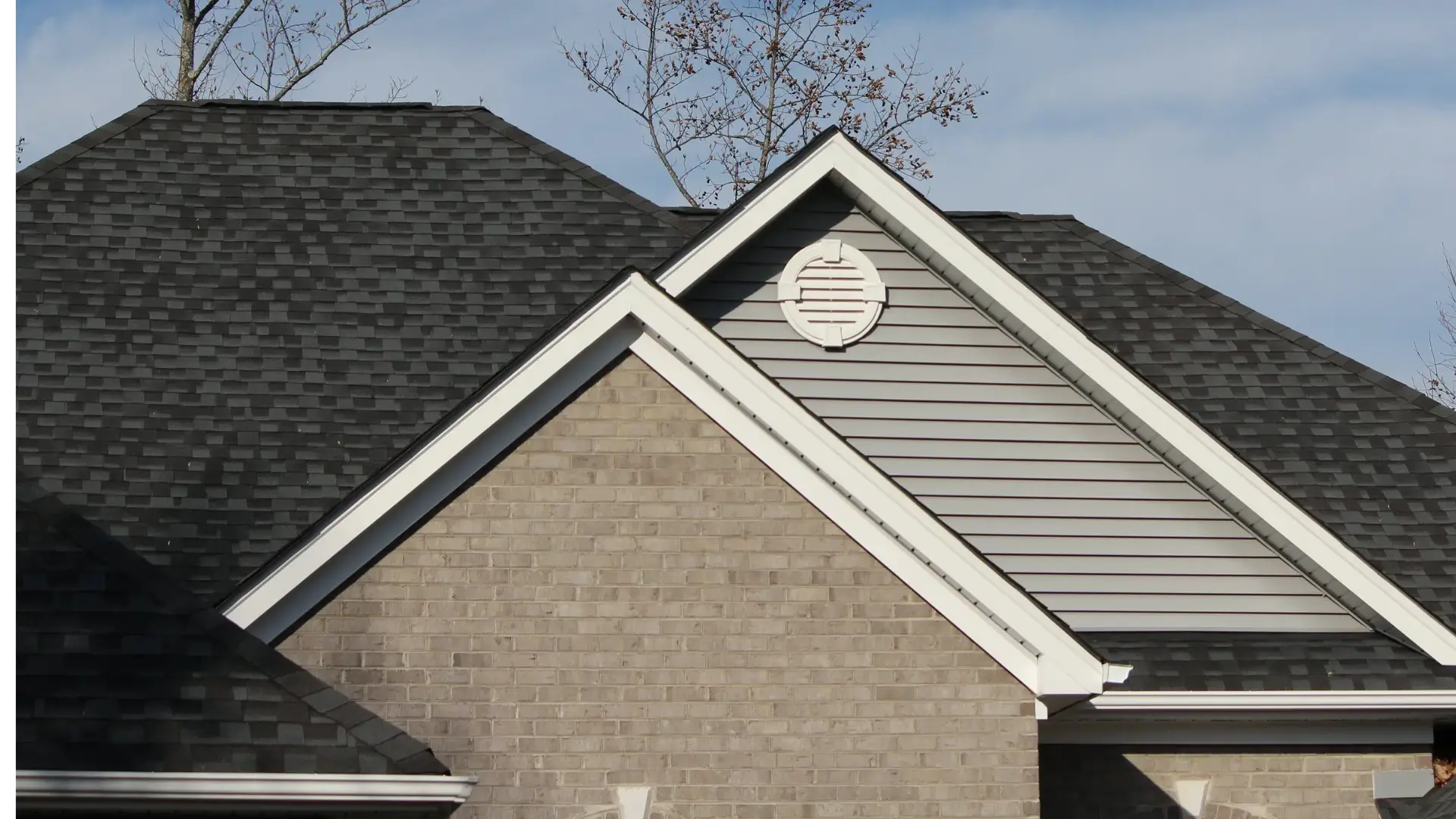
Will an Onyx Black Shingle Roof Increase Your Home’s Resale Value?
Will an Onyx Black Shingle Roof Increase Your Home’s Resale Value? When…

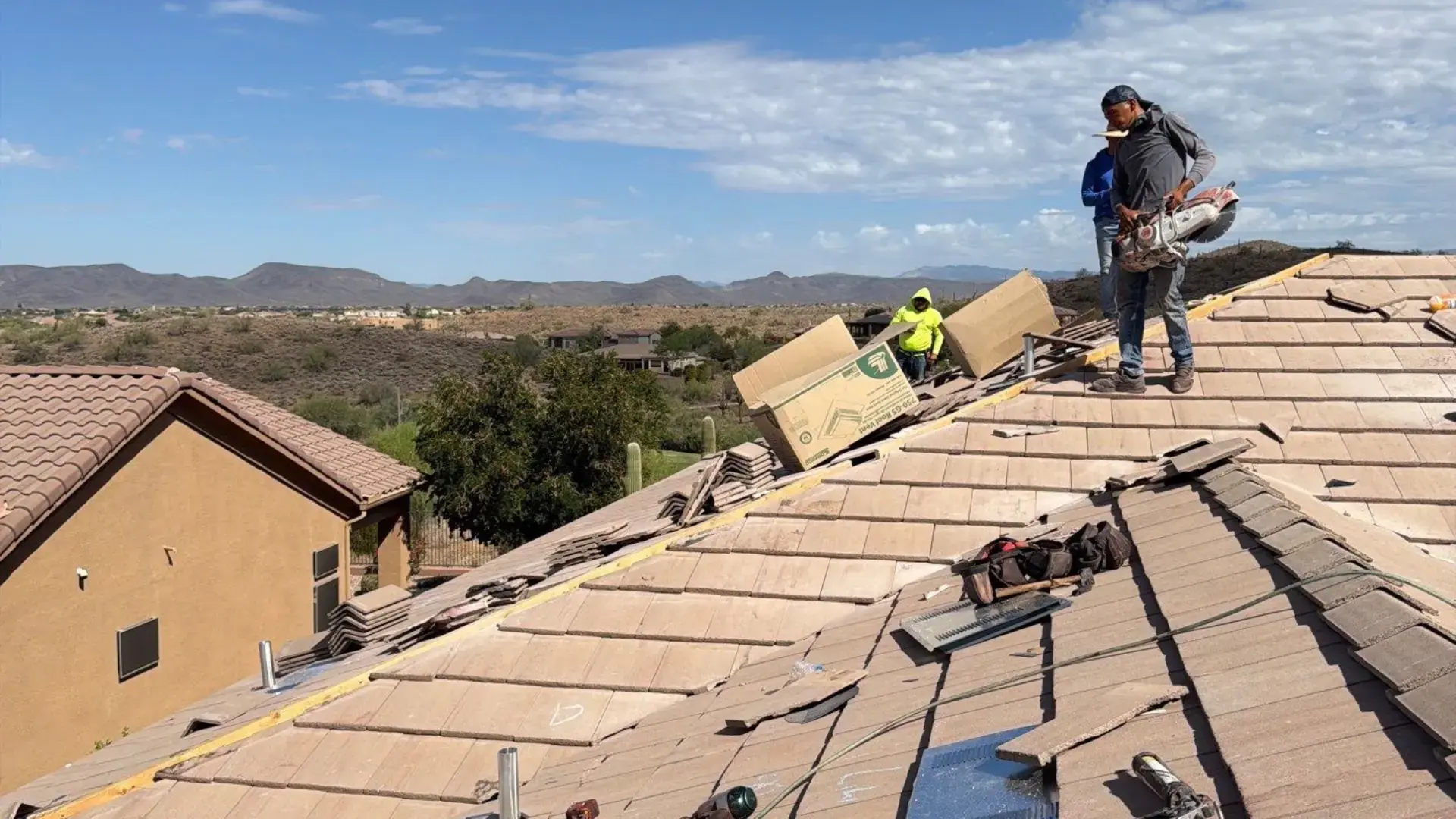
Southwestern architecture is famous for its beautiful, sweeping tile roofs. For decades, traditional clay and sandcast tiles have been the standard look for homes across Phoenix, Scottsdale, and the surrounding desert communities. While these materials offer undeniable historic charm, they also come with significant maintenance challenges, fragility, and high costs when it comes time for repairs.
If your older tile roof is starting to show its age, you don’t have to settle for the exact same delicate materials. More and more homeowners are choosing to upgrade their properties by making a structural switch. Knowing how to convert clay or sandcast tile roof to concrete tile can completely transform your home’s durability, lower your long-term maintenance costs, and drastically improve its weather resistance.
At Triumph Roofing, we specialize in helping homeowners navigate these structural upgrades seamlessly. Here is why upgrading to concrete roofing tiles is one of the smartest investments you can make for your Arizona home.
While clay tiles are made from baked river silt and sandcast tiles are formed from a fragile mix of sand and mud, concrete tiles are manufactured from a robust mixture of Portland cement, sand, water, and iron oxide pigments. This structural difference gives concrete several distinct advantages in the harsh Arizona climate.
Traditional clay and sandcast tiles are incredibly brittle. A single severe monsoon hailstorm, a stray golf ball, or even a well-meaning air conditioning technician walking across your roof can easily shatter multiple tiles. Concrete tiles, by contrast, are designed to withstand heavy impacts and high winds without cracking. This structural resilience means you spend less time worrying about cracked tiles letting water breach your underlying barriers.
Sandcast tiles are highly porous, which means they easily absorb moisture and begin to erode, flake, or “spall” over time. As the desert heat bakes them, they become increasingly fragile. Concrete tiles absorb very little water and maintain their structural integrity for decades, vastly reducing the frequency of necessary tile roof repairs over the lifespan of your home.
Many homeowners worry that switching to concrete means sacrificing the rustic look of their home. Fortunately, modern manufacturing allows concrete tiles to perfectly mimic the appearance of traditional barrel clay, authentic sandcast, slate, and even wood shakes. You can achieve the exact historic or high-end architectural look you want, but with a material that lasts.
Transitioning your roof from a delicate material to high-performance concrete requires more than just swapping out the pieces. It requires a strategic engineering approach to ensure your home’s structure is fully prepared for the upgrade.
One of the most important steps in learning how to convert clay or sandcast tile roof to concrete tile is evaluating the weight load. Concrete tiles can be heavier than certain varieties of old, weathered clay tiles. Before any work begins, a licensed roofing professional must inspect your home’s trusses and framing to confirm they can safely support the weight of a new concrete roof.
The true protective barrier of any tile roof is the underlayment underneath. When converting your roof, our team carefully removes the old clay or sandcast tiles, cleans the roof deck, and replaces or upgrades the underlying waterproof membrane. Ensuring a flawless water barrier is essential before laying down the new concrete tile matrix.
Unlike older sandcast tiles that are often held in place purely by gravity, mortar, or simple wires, modern concrete tiles feature precise interlocking designs. Our team installs them using heavy-duty, weather-resistant fasteners to ensure they remain locked together during severe microbursts and windstorms. If your home has a flat or lower-slope section adjacent to your tile roof, we also ensure seamless transitions to your flat roof system to guarantee absolute waterproofing across the entire structure.
Replacing a roof is a major project, but converting to concrete tile pays for itself over time. Beyond the immediate reduction in maintenance expenses, a concrete tile roof can significantly boost your home’s resale value and curb appeal.
According to the Tile Roofing Industry Alliance (TRI), concrete tiles provide exceptional energy efficiency by creating a natural cushion of air between the tile and the roof deck. This “above-sheathing ventilation” helps insulate your home from intense summer temperatures, lowering your cooling bills and reducing the strain on your air conditioning unit.
When you choose a professional roof replacement from a trusted, local contractor like Triumph Roofing, you receive a transparent, no-shortcut installation backed by an industry-leading warranty. We manage the entire conversion process, from structural evaluation to final cleanup, giving you a stress-free experience and a roof built to last a lifetime.
If you are tired of dealing with cracked, slipping sandcast tiles or fragile clay that fails during every major storm season, it’s time to discover the concrete difference. Let our expert team show you exactly how to convert clay or sandcast tile roof to concrete tile to maximize your home’s protection.
Contact us today to schedule your complimentary roof inspection and consultation. Our Scottsdale and Phoenix roofing experts are ready to provide a clear, transparent estimate to transform your property with beautiful, durable concrete tile!
"*" indicates required fields
Will an Onyx Black Shingle Roof Increase Your Home’s Resale Value? When…
Why Your Arizona Home Benefits from the Blackest Shingles on the Market…
Everything You Need to Know About Black Shingles in Arizona In recent…